
Affiliate disclosure: This post may contain affiliate links. Please see our disclosure policy.
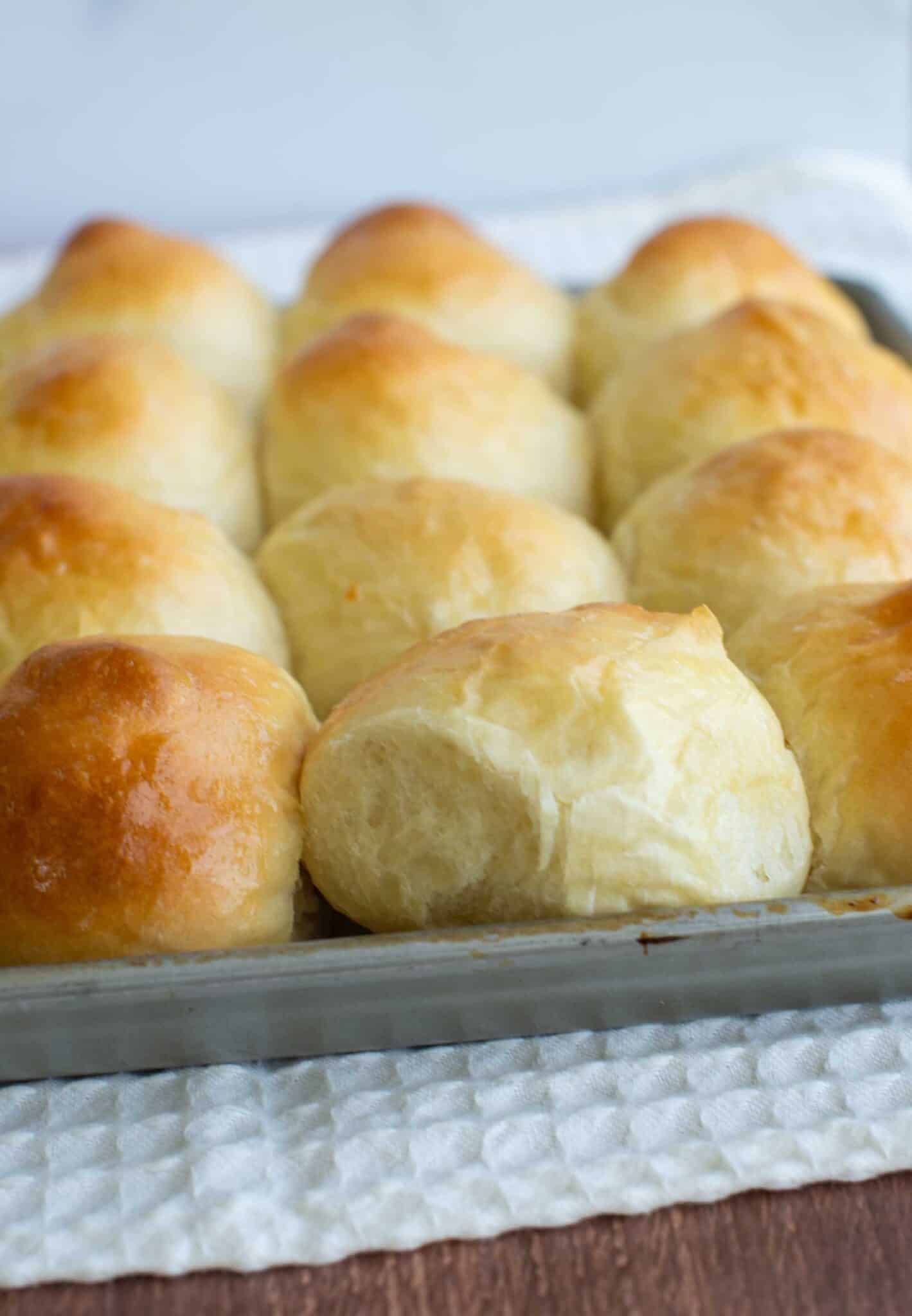
Are you ready for this?! A seriously amazing sourdough discard roll recipe that is perfect for those leftover mashed potatoes hanging around in the refrigerator after the holidays. Sourdough Discard Mashed Potato Rolls are made with real mashed potatoes for the best texture: soft, fluffy, and so tender.
This is a quick sourdough discard recipe made with instant yeast, so the rolls are ready the same day. These leftover mashed potato rolls are one of my favorite ways to use up extra mashed potatoes after the holidays. If you’re looking for a 100% naturally fermented sourdough potato roll, try my Soft Sourdough Potato Rolls made with potato flakes and active sourdough starter.
Leftover discard mashed potato rolls also hold up longer than regular white dinner rolls because the potato actually keeps them fresher longer. And with all that leftover turkey or ham from the holidays, these rolls would make perfect sandwiches. I’ve made them twice this past week and they have been gobbled up each time. They are just SO GOOD!

Table of Contents
- Quick Look: Discard Mashed Potato Rolls
- Why You’ll Love Sourdough Discard Mashed Potato Rolls
- Important Ingredients
- Substitutions & Variations
- How to Make Sourdough Discard Mashed Potato Rolls
- How to Serve and Store Leftovers
- Amy’s Recipe Tip
- Frequently Asked Questions
- Popular Sourdough Roll Recipes
- Sourdough Mashed Potato Rolls Recipe
Quick Look: Discard Mashed Potato Rolls
- Prep Time: 30 minutes
- Rise Time: 2-3 hours
- Bake Time: 25 minutes
- Total Time: 3-4 hours
- Servings: 24 rolls
- Calories: ~160 kcal per roll (based on nutrition panel)
- Cook Method: baked in a pan
- Flavor & Texture: Super soft, fluffy rolls with a tender potato-enriched crumb and a slight sourdough tang from discard.
- Difficulty: Easy – same day, instant yeast discard rolls
SUMMARIZE AND SAVE THIS RECIPE CONTENT ON:
Save this for later!
Why You’ll Love Sourdough Discard Mashed Potato Rolls
- Makes the Most of Leftovers – These rolls are the perfect way to use up leftover mashed potatoes. For another great way to use them, try my Sourdough Mashed Potato Focaccia too.
- Super Soft Texture – Adding mashed potatoes to bread dough creates incredibly soft, tender rolls that stay fresh longer than regular dinner rolls. Potato bread is known for its pillowy texture, and these rolls are no exception.
- Versatile – Don’t have leftover mashed potatoes? No problem. You can mash the inside of a baked potato or quickly microwave a potato to use in this recipe. I show how to do this in my Fluffy Potato Bread recipe.
- Great Discard Recipe – If you keep a jar of sourdough discard in your refrigerator like I do, this recipe is a great way to use it up. The discard adds flavor and moisture while the instant yeast keeps the rolls quick and reliable. For another sourdough discard roll recipe to love, try these Sourdough Discard Hawaiian Rolls.
Sourdough Discard Tip: I keep a jar in my fridge that I continually add sourdough discard to. Discard is a by-product of your sourdough starter and there is no reason to throw it away. Instead, use it in incredible sourdough discard recipes where it adds moisture and great flavor. Use older, more tangy discard in savory recipes like these One Hour Sourdough Discard Rolls and young/fresh discard in sweeter recipes like these Sourdough Blondies.
Important Ingredients
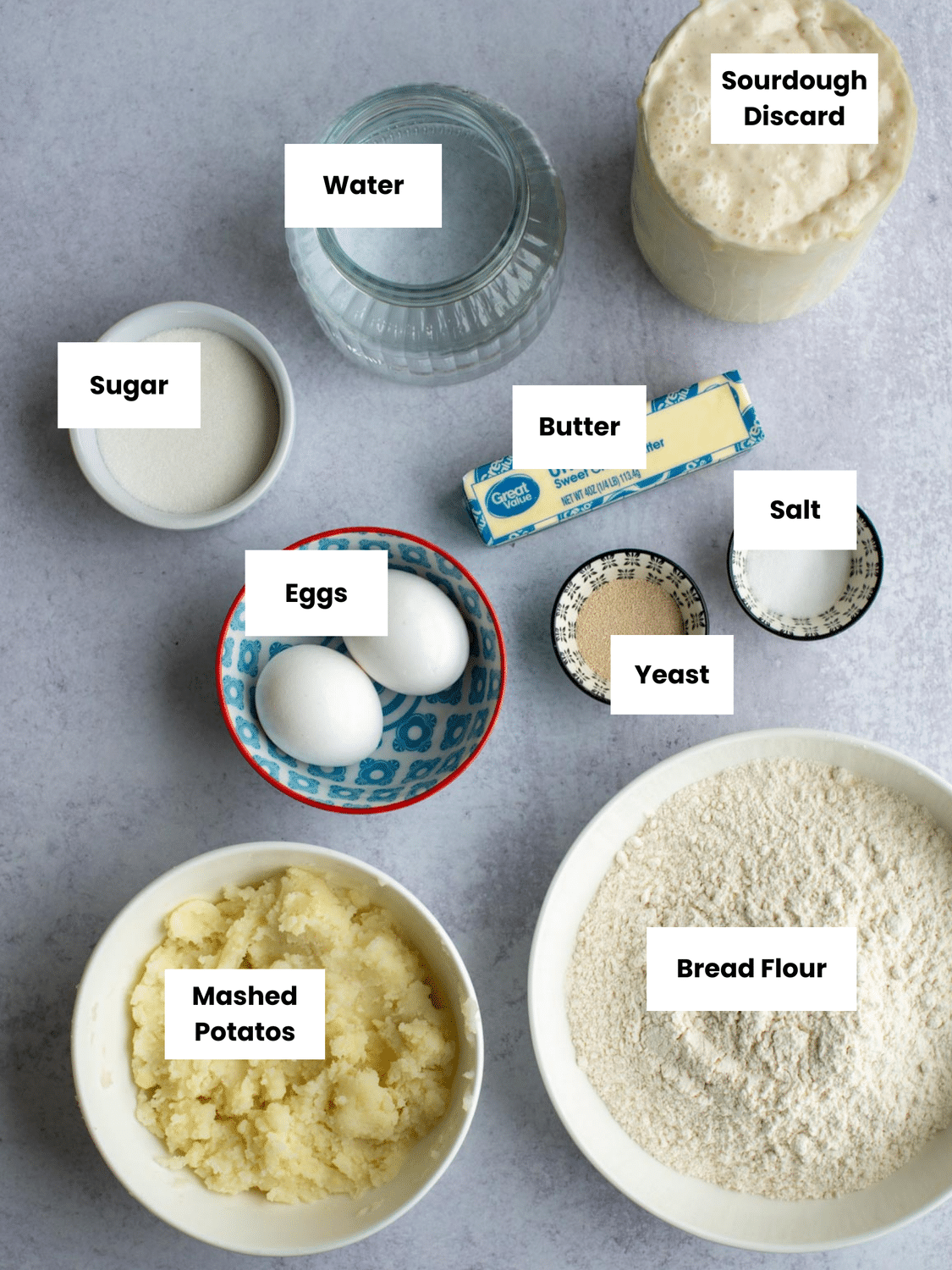
- Sourdough Discard – This recipe uses about 1 cup of sourdough discard. Older discard from the refrigerator will give the rolls a stronger sour flavor, while fresher discard will add less flavor. Make sure your discard is 100% hydration.
- Mashed Potatoes – This recipe is written to make the most of your leftover mashed potatoes. Because mashed potatoes can vary in how much butter and cream they contain, you may need to make a few small adjustments by adding a little more or less flour to the dough. Any kind of mashed potatoes will work in this recipe.
- Water – I use warm (90ºF) tap water.
- Eggs – Eggs add richness, structure, and help create the soft texture in these rolls.
- Instant Yeast – Instant yeast helps the dough rise quickly, making this an easy same-day sourdough discard recipe.
- Unsalted Butter – Unsalted butter allows you to control the salt content in the dough and gives these rolls a rich flavor.
- Salt – Just a little bit of salt tempers the fermentation and brings out the flavor in the rolls. Don’t leave it out.
- Bread Flour – This recipe is made and tested with bread flour. Bread flour helps create a strong dough and gives the rolls a good rise. If you want to substitute all-purpose flour instead, add a little vital wheat gluten for best results.
See the recipe card for full information on ingredients and quantities
Substitutions & Variations
- Sourdough Discard – You can substitute bubbly sourdough starter for the discard if you prefer.
- Active Sourdough Starter – To make this a 100% naturally fermented sourdough recipe, use bubbly active starter (100% hydration) and omit the instant yeast. The rises will take much longer, but the recipe adapts easily to natural yeast.
- Active Dry Yeast – If using active dry yeast instead of instant yeast, activate it in warm water before adding it to the dough.
- All-Purpose Flour – You can substitute all-purpose flour for bread flour in this recipe. The rolls may be slightly less chewy, but they will still bake up soft and tender. You may need slightly more all-purpose flour than the recipe calls for.
- Flavored Mashed Potatoes – Mashed potatoes that contain butter, cream, garlic, or herbs can be used in this recipe. Just adjust the flour slightly if the potatoes are very soft.
- Potato Flakes – If you don’t have leftover mashed potatoes, you can prepare mashed potatoes from potato flakes according to the package directions and use them in this recipe.
How to Make Sourdough Discard Mashed Potato Rolls
Mix the Dough
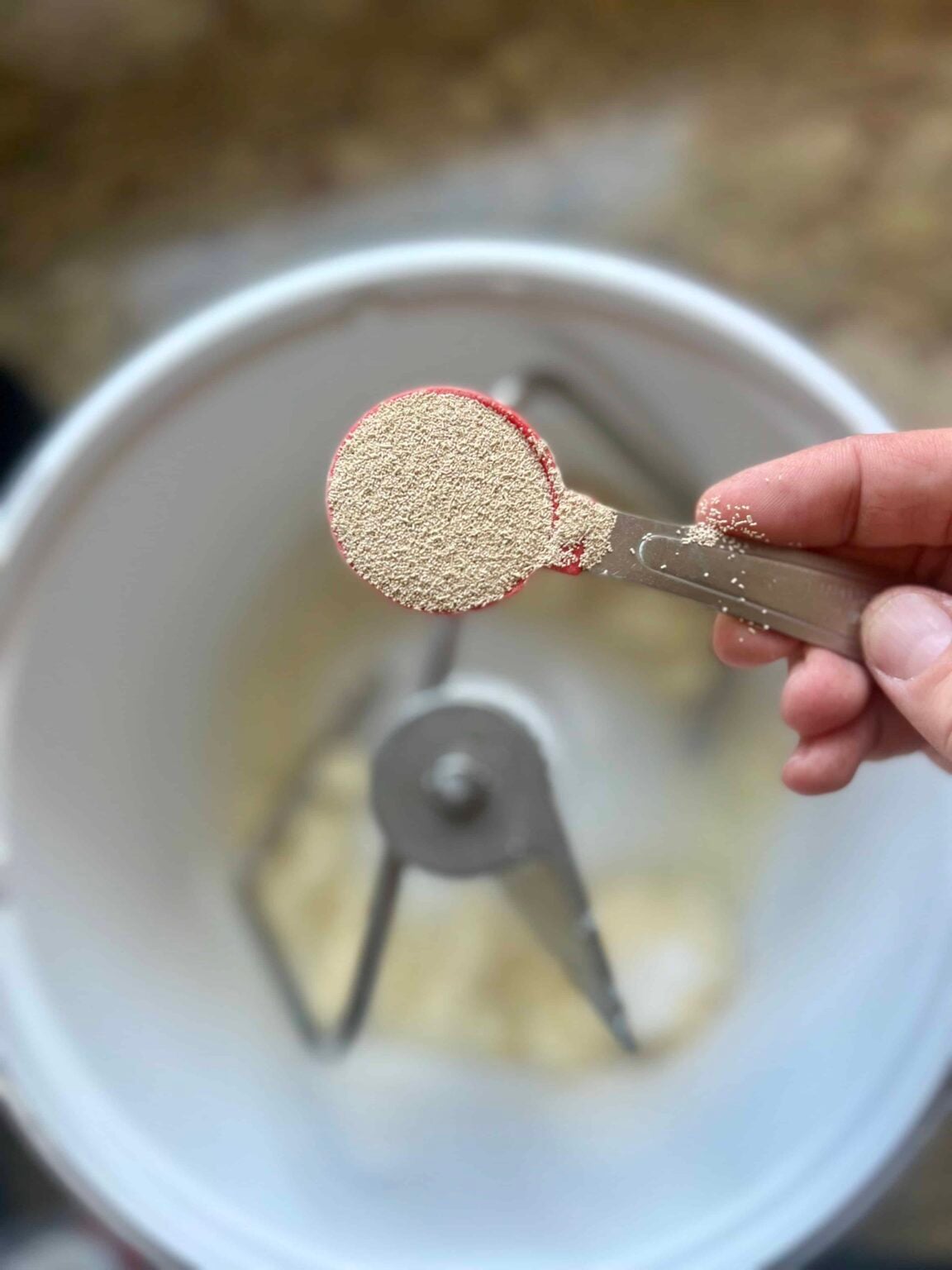
Step 1: In the bowl of a stand mixer, mix together the mashed potatoes, sourdough discard, warm water, sugar and instant yeast. Let the mixture sit for a minute until it smells yeasty and you can tell your instant yeast is working.
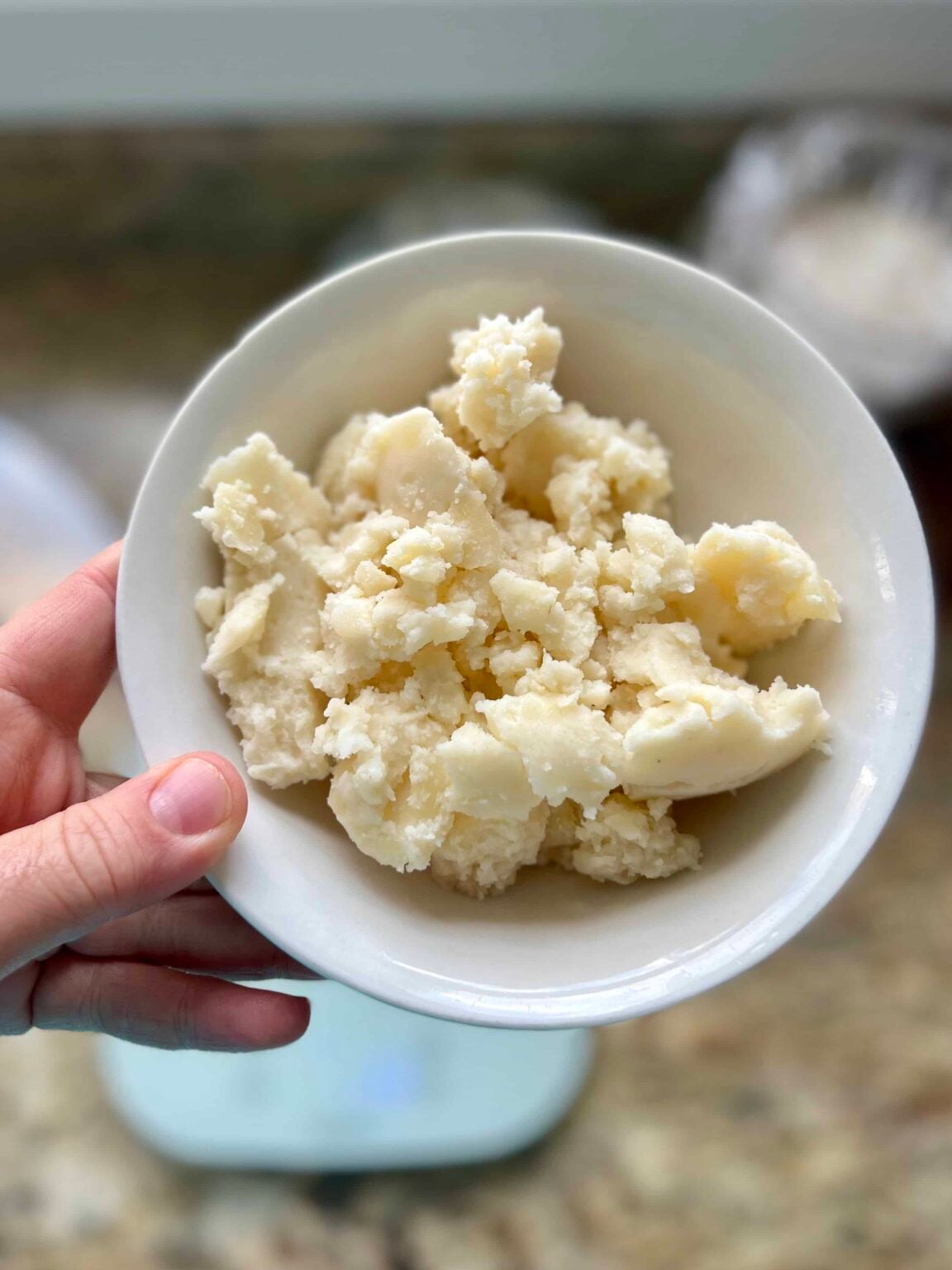
Step 2: Add the melted butter, eggs, salt, and most of the bread flour, holding back about 1 cup (120 g). Add the remaining flour gradually as needed. Because mashed potatoes vary in moisture, you may need a little more or less flour.
Amy’s Instant Yeast Tip: Instant yeast doesn’t technically need to be activated like active dry yeast, but I still like to watch for a yeasty smell and for the yeast to start clumping together in the bowl. It’s an easy way to make sure the yeast is working, because there’s nothing worse than discovering your yeast is expired!
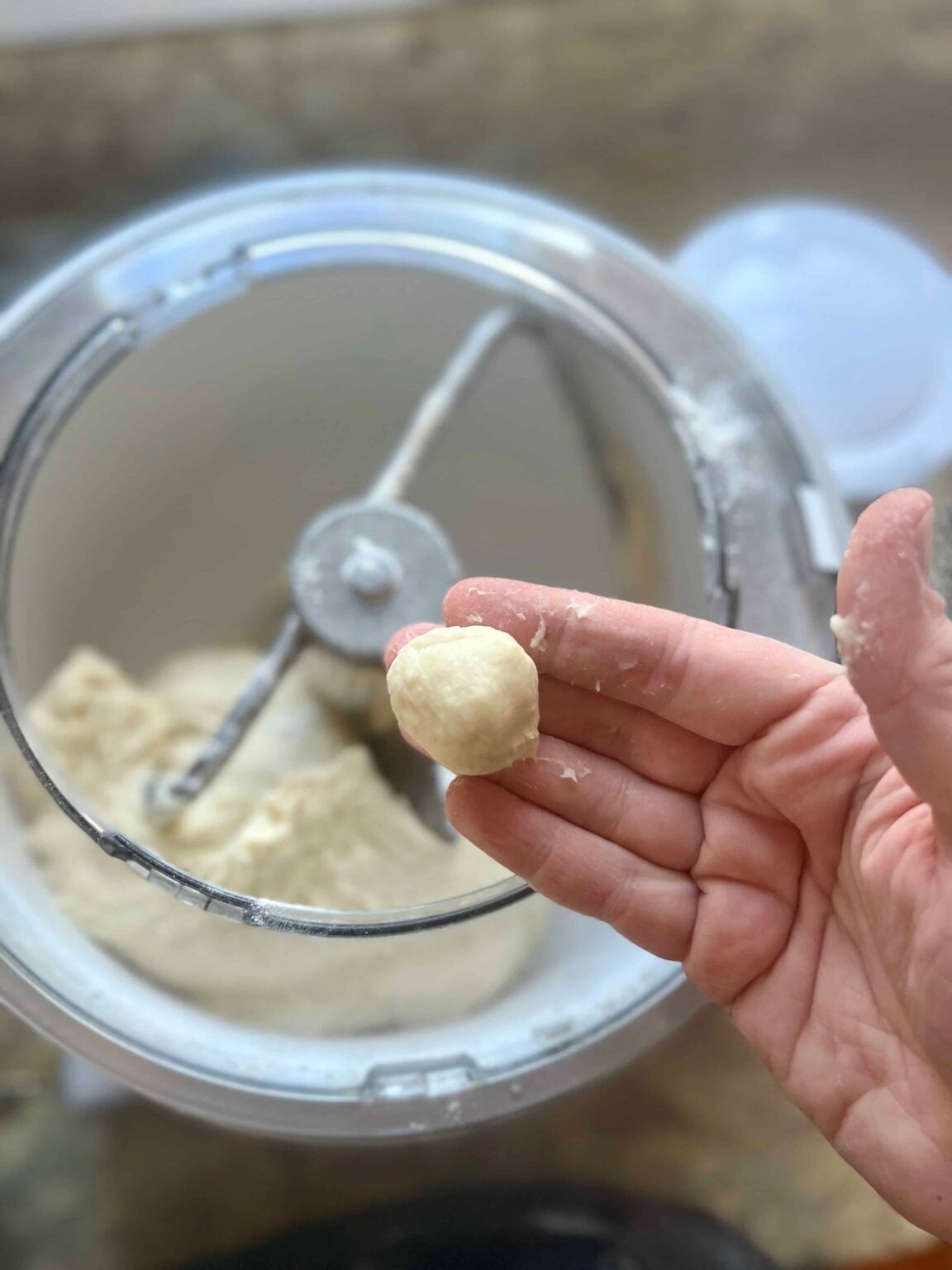
Step 3: Continue kneading for about 8 minutes in the mixer, or 10–15 minutes by hand, adding flour a tablespoon at a time as needed. Knead until you can pinch off a small piece of dough and roll it easily into a ball with just a little sticky residue on your fingers. The dough should feel tacky but not overly sticky.

Step 4: Once the dough is kneaded, cover the bowl with plastic wrap or a kitchen towel and let the dough rise for 1–2 hours, or until doubled in size.
Rising Tip: The temperature of your dough and kitchen will affect how quickly the dough rises. In warm environments the dough will rise faster, while in cooler environments it will take longer. You can also place the dough in the refrigerator overnight if you want to slow the rise and split this recipe over two days.
Shape the Rolls

Step 5: After the first rise, it’s time to shape the rolls. Use a bench knife to divide the dough into 24 equal pieces (about 65 grams each).
Prepare a 9×13-inch baking pan and an 8×8-inch pan by greasing them well or lining them with parchment paper. This recipe makes 24 rolls. Bake them in the two pans for pull-apart rolls, or place all the rolls spaced apart on a half sheet pan if you prefer them not touching.
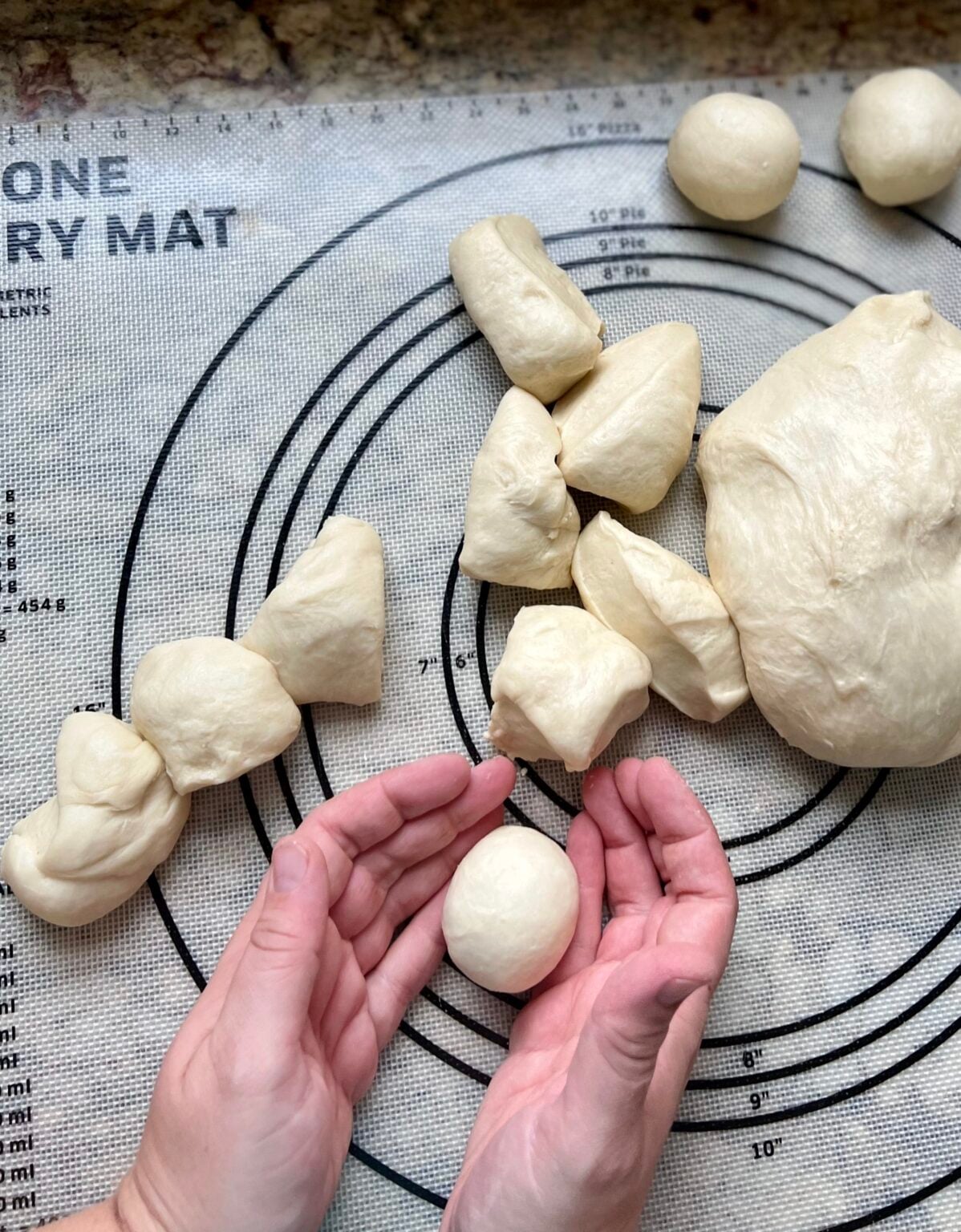
Step 6: On the counter or on a pastry mat, take each piece of dough and pull or pinch the edges up toward the center until it forms a ball. Place the dough seam-side down and roll it on the counter using a cupped hand (see my video on how to shape rolls) to seal the seam and create surface tension. Place the rolls in the pan and repeat with the remaining dough.
Note: If you like pull-apart style rolls (like in the photo), nestle the rolls close together in a baking dish. I like using metal or glass pans for these rolls and recommend greasing the pan well or lining it with parchment paper, which is now my preference. For a non pull-apart style, place the rolls spaced apart on a parchment-lined baking sheet.
Proof & Bake
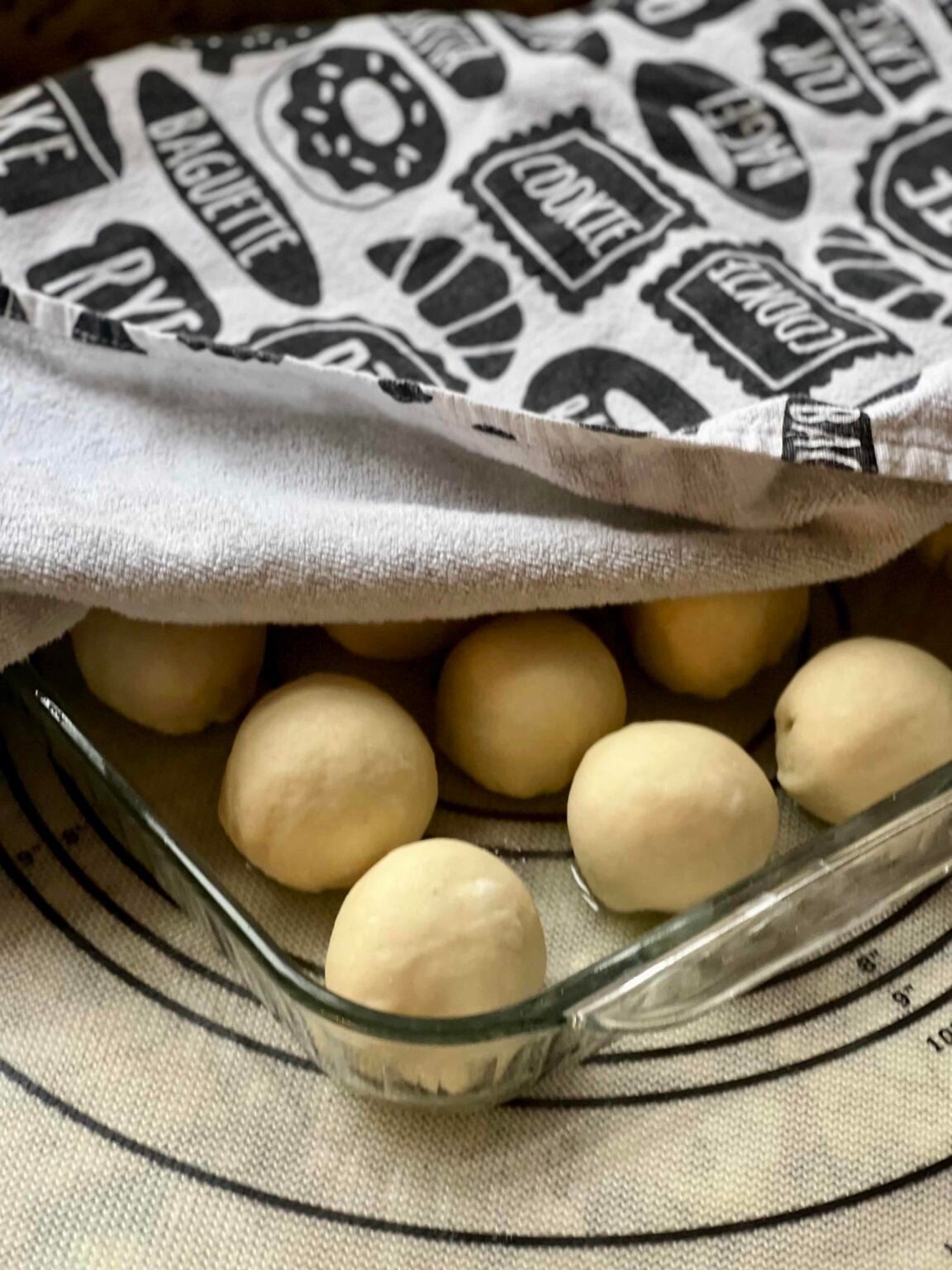
Step 7: Cover the rolls with a kitchen towel or plastic wrap and let them rise for another 1–2 hours, until light, puffy, and almost doubled in size.
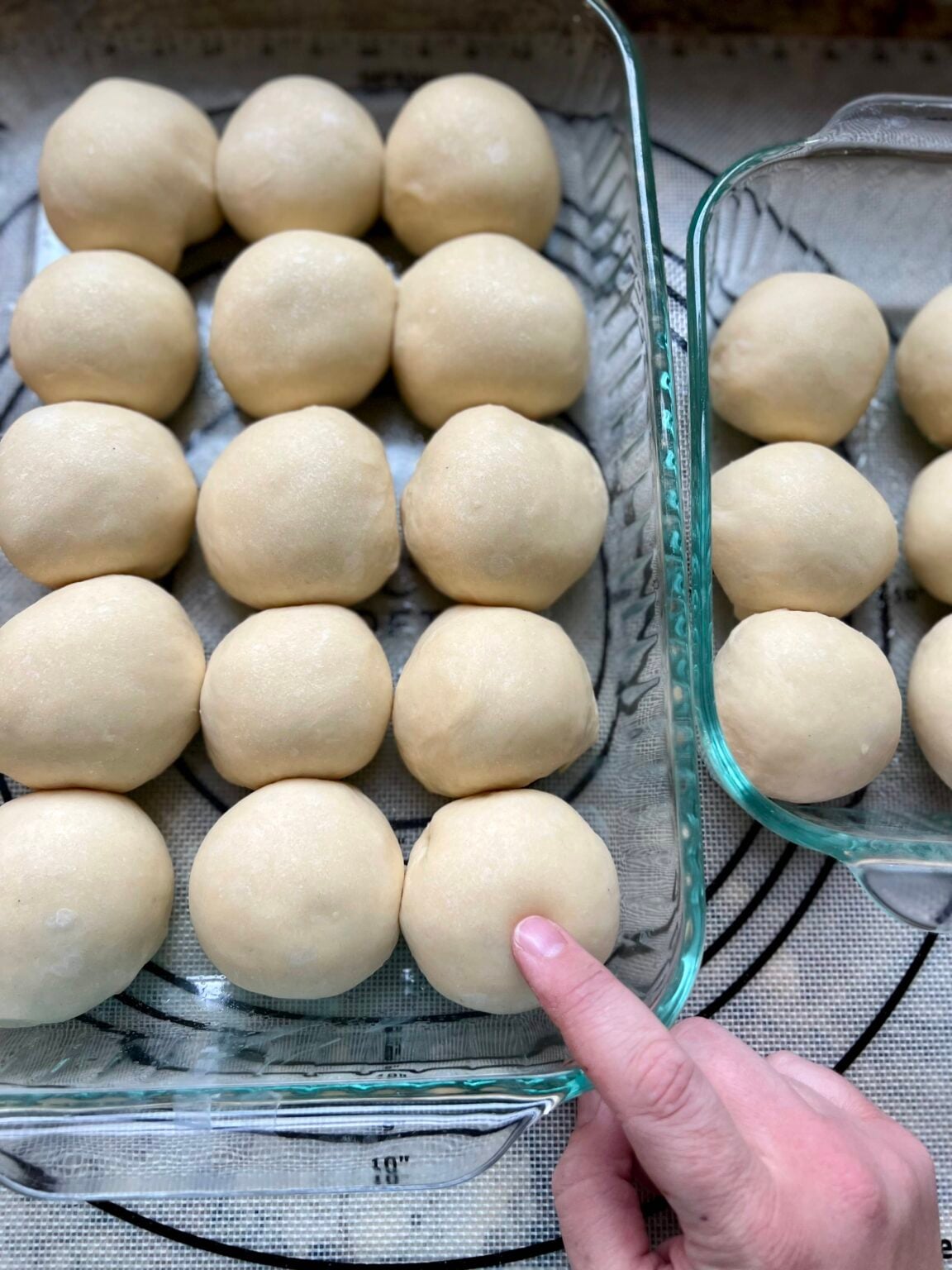
Poke Test: To check if the rolls are ready, gently press a finger into one of them. If the dough springs back immediately with no indentation, the rolls need more time to rise. If the indentation springs back slowly and leaves a slight mark, they are ready to bake. If the indentation stays with no spring back, the rolls may be overproofed and you may want to reshape them and let them rise again.
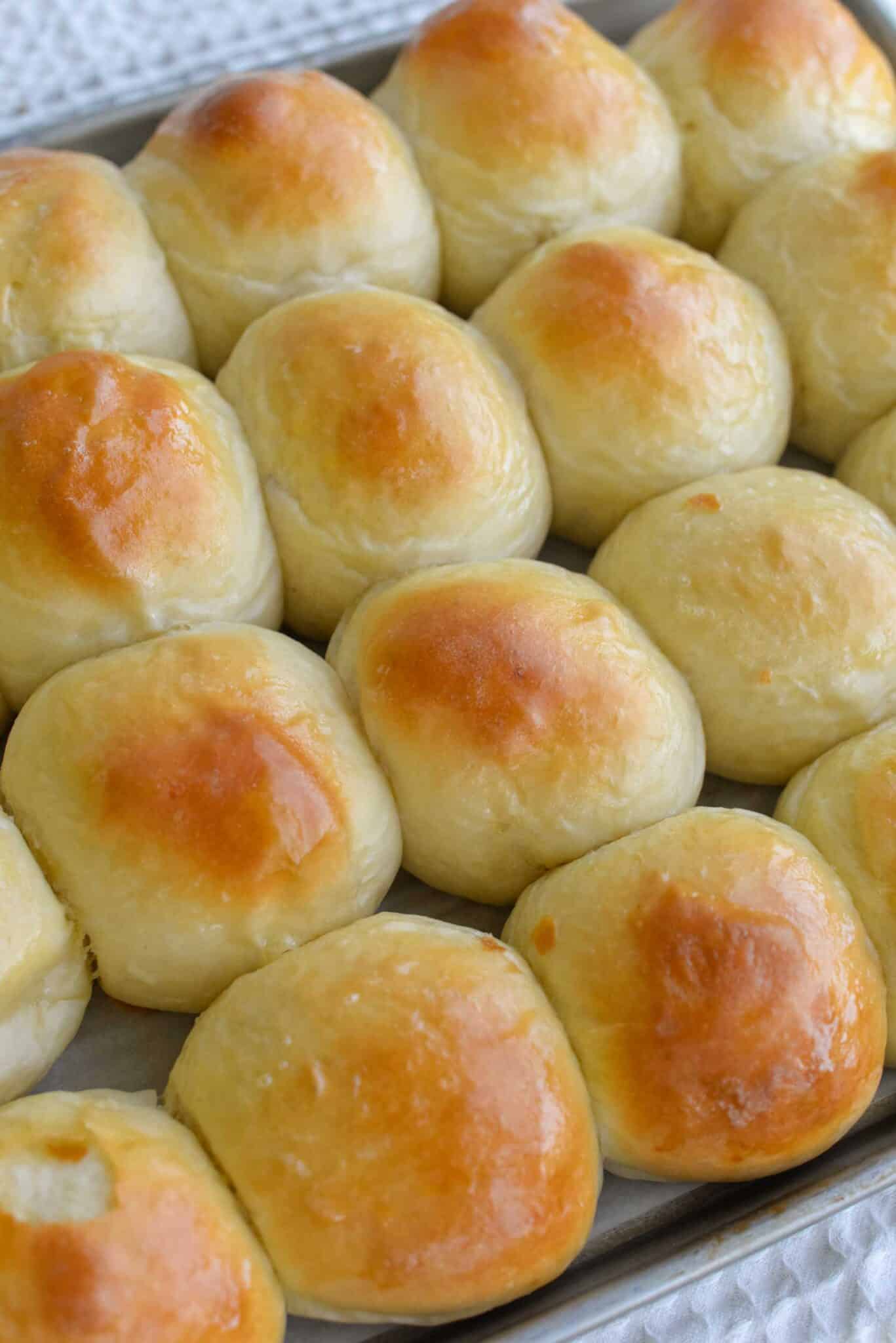
Step 8: Preheat the oven to 350°F. Bake the rolls for 22–25 minutes, until they begin to brown on top and reach an internal temperature of 205–210°F. Brush with melted butter when they come out of the oven for a beautiful shine. Serve warm!
How to Serve and Store Leftovers
Let the rolls cool before slicing if you plan to use them for leftover turkey sandwiches. If you’re making these for Thanksgiving leftovers, add a little cranberry sauce, turkey, and melty brie—oh my goodness, so good! We also love them with leftover egg salad from Easter or simply with butter and jam.
Once the rolls are completely cool, place them in an airtight container or zip-top bag and store at room temperature for up to 24 hours. After 24 hours, freeze for up to 3 months. Rewarm the rolls briefly in the microwave before serving.
Amy’s Recipe Tip
Mashed potatoes can vary a lot depending on how much butter or cream they contain. Hold back about ½ cup of the flour when mixing the dough and add it gradually as needed. The dough should feel soft and tacky but not overly sticky.
Frequently Asked Questions
I think this would make a great savory addition to the rolls. Try it and let me know in the comments!
You can make this recipe using bubbly sourdough starter, 100% hydration and omit the instant yeast. Your risings will take much longer, but this recipe is easily adaptable to natural yeast.
Yes. This recipe can make 16 rolls instead of 24. Your bake time will be a little bit longer with larger rolls, so adjust accordingly.
Popular Sourdough Roll Recipes


If you tried these Sourdough Discard Mashed Potato Rolls or any other recipe on my website leave a 🌟 star rating and let me know how it went in the comments below. Happy Baking!

Sourdough Mashed Potato Rolls
Save this for later!
Equipment
- 9 by 13 pan or a large baking sheet
- 8 by 8 pan or a large baking sheet
Ingredients
- 200 grams room temperature mashed potatoes, about 1 cup, see recipe notes
- 200 grams sourdough discard, or bubbly sourdough starter, see recipe notes, heaping 3/4 cup
- 65 grams granulated sugar, about 1/3 cup
- 120 grams warm water, about 1/2 cup
- 10 grams instant yeast, about 1 Tablespoon, see recipe notes
- 113 grams melted unsalted butter, 8 Tablespoons or 1 stick
- 2 large eggs, about 100 grams
- 18 grams salt, about 1 Tablespoon
- 750 grams bread flour, about 5-6 cups
Instructions
- In the bowl of a stand mixer add the room temperature mashed potato, sourdough discard, warm water, granulated sugar, instant yeast, melted butter, eggs and salt. Add most of the flour, reserving about a cup to add as needed. Mix until completely combined and add the rest of the flour a little bit at a time until the dough is tacky (not super sticky) and pulls away from the sides of the bowl. If the dough is overly sticky, add a little more flour. Depending on how hydrated your mashed potatoes are, you may need more or less flour.Mix the dough for 8-10 minutes until smooth. Alternatively you can knead the dough by hand for 10-15 minutes.
- Cover the dough with a kitchen towel or plastic wrap and let rise for about 1-2 hours until doubled in size.
- Line a 9 by 13 inch pan and an 8 by 8 pan with parchment paper, or grease them well. Alternatively you could line a large baking sheet with parchment paper and place dough balls on the baking sheet.
- Once the dough has risen, cut and separate into 24 pieces, about 65 grams each. Take each piece of dough and pull/pinch up the sides until it forms a ball. Roll the ball on the counter using your hand in a cupping shape (see my video on how to shape rolls) to seal the balls and create tension for the roll to rise. Nestle together in the pan or on the baking sheet. Cover and let rise until puffy, touching and almost doubled in size.
- Preheat the oven to 350ºF. Once the oven is pre-heated, bake the rolls for about 22-25 minutes until golden brown on top and baked all the way through, registering 205-210ºF. Spread some melted butter on top of the warm rolls if desired and enjoy!
Notes
Nutrition
Nutrition information is automatically calculated, so should only be used as an approximation.


Made these yesterday to go with Easter dinner. As usual Amy’s recipe performed perfectly. I should have taken a pic. They literally disappeared!
I’m glad they were a big hit! Thanks for the review.
Can I proof these the day before, refrigerate and bake the next day?
That should work!
Instead of rolls, can this be put into a loaf pan?
I haven’t tried it like that, but I think it could probably work! Let me know if you try it and how it turns out.
I tried this and the result was amazing. Super soft sandwich loaf that I have sliced up and popped in the freezer for school lunches. Thanks Amy for another great recipe!
Thanks for the review! I’m glad they turned out great!
can i used mashed sweet potato?
I haven’t tried that! I don’t know that it would turn out the same, but you can definitely give it a try and see how it goes. If they are leftovers, then it might be a fun experiment.