What is Sourdough Discard?

Updated May 05, 2025
Affiliate disclosure: This post may contain affiliate links. Please see our disclosure policy.
Sourdough discard is one of the most misunderstood parts of maintaining a sourdough starter. What is it? Do you throw it out? Can you actually bake with it? And are there any fermentation benefits? Let me break it down—because once you understand it, you’ll want to keep some on hand at all times to use in your favorite sourdough discard recipes.

Save this for later!
Table of Contents
- What is Sourdough Discard? Do You Have To Toss It?!
- Benefits of Baking with Sourdough Discard
- How to Store Sourdough Discard
- How Long is Sourdough Discard Good For?
- Does Sourdough Discard Have The Same Fermentation Benefits As Sourdough?
- Is There Ever a Time You Should Throw Away Sourdough Discard?
- How to Use Sourdough Discard in a Recipe
- How to Add Sourdough Discard to Any Recipe
- Common Frequently Asked Questions
- Most Popular Sourdough Discard Recipes
What is Sourdough Discard? Do You Have To Toss It?!
Sourdough discard is unfed sourdough starter. It’s the portion that has already gone through its fermentation cycle—rising and falling—and now needs to be either re-fed or, traditionally, thrown away.
But here’s the thing: if you kept feeding every bit of your starter every time, you’d have a massive amount to manage (and maybe even discard coming out your ears!). That’s why most people discard a portion before feeding the rest.
Historically, that excess was tossed. But these days? We don’t waste that flavor-packed goodness. I like to call it liquid gold. It makes some of my favorite recipes—everything from muffins and crackers to pancakes and soft discard sandwich loaves.
What Happens if I don’t Discard?
Unless you’re baking with it right away, discarding is an essential part of keeping your sourdough starter healthy. Without regular discard, your starter can become overly acidic, which throws off the balance of wild yeast and beneficial bacteria. This often leads to a sluggish, underperforming starter that struggles to rise dough—and bakes that don’t turn out quite right.
That said, some bakers choose to maintain a very small starter. They feed only what they need for each bake and store the rest in the fridge. By maintaining just 10–20 grams and building it up only when you bake, you can skip the discard—and still have a strong, healthy starter ready when you need it.
How Often Should I Discard?
It depends how often you’re feeding your starter. If you feed daily, you’ll discard daily. If you store your starter in the fridge and feed it weekly, you’ll discard weekly, right before feeding.

Benefits of Baking with Sourdough Discard
- Less Waste: I don’t love throwing away perfectly good starter—and I know a lot of you feel the same. Whether you’re producing a lot of discard or just a little, baking with it is a great way to cut back on waste and get creative in the kitchen.
- More Moisture: Discard adds extra moisture to your baked goods, which makes for soft, tender results. It’s especially great in sourdough waffles, sourdough scones, and other quick bakes.
- Flavor: Since discard has already gone through fermentation, it often has a more pronounced tang. That sour note is perfect for savory bakes like fluffy discard biscuits and these quick and easy sourdough pretzel bites.
- Long Ferment Possibilities: While discard won’t raise dough as predictably as sourdough starter, you can long ferment with it. Leaving batter or chocolate chip sourdough cookie dough to ferment in the refrigerator overnight before baking will give some of the fermentation benefits and flavor of sourdough to your baked goods.

How to Store Sourdough Discard
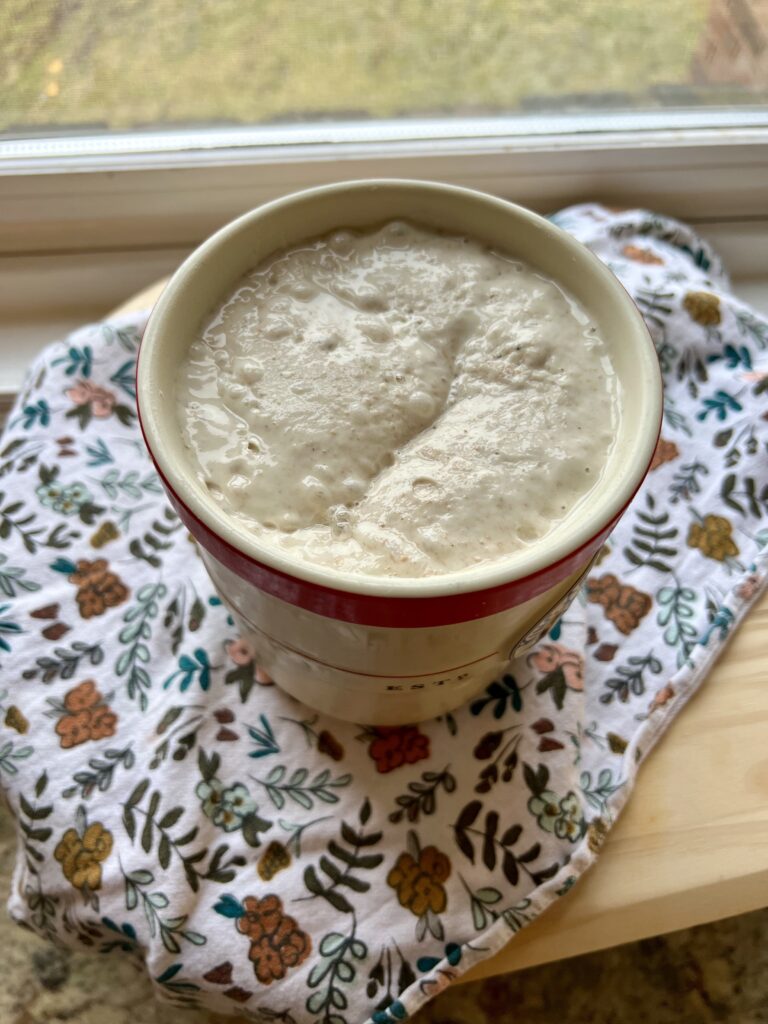
Sourdough discard should be stored in the refrigerator. Every time I remove some from my starter, I add it to a sourdough crock or a container I keep in the fridge. I love the look of the crock, but any Tupperware or jar with a lid works just fine.
The longer discard sits, the more fermented—and sour—it becomes. I personally don’t like using discard that’s more than a week old in recipes, since the strong sour flavor can start to overpower baked goods. But if you like that deep tang, you might enjoy using discard that’s been stored longer.
If I haven’t used up my discard after a week or two, I’ll make a big batch of my sourdough crackers or discard sandwich bread and start fresh for the next week.
Can You Freeze Discard? Yes! If you don’t want to use all your discard right away, freezing is a great option. Just portion it into a freezer-safe container or bag, label it, and pop it in the freezer. When you’re ready to use it, thaw it in the refrigerator overnight or at room temperature for a few hours. It works well in most discard recipes—like crackers, pancakes, or muffins.
Other Storage Ideas:
You can also dehydrate your sourdough discard. Spread it thin on parchment and let it air-dry or use a dehydrator. Once dried, crumble it up and store it in a jar. You can use it to:
- Mix into sourdough pancake batter
- Dust banneton bowls (it’s just fermented flour!)
- Save for emergencies as a backup starter base
Whether frozen or dried, discard doesn’t have to go to waste!
How Long is Sourdough Discard Good For?
Sourdough discard can be used for a long time—as long as there’s no mold. A strong sour smell is normal, but if you notice any pink, orange, or fuzzy growth, or it smells putrid (like rotten cheese or meat), it’s time to toss it.
Young vs. Old Sourdough Discard
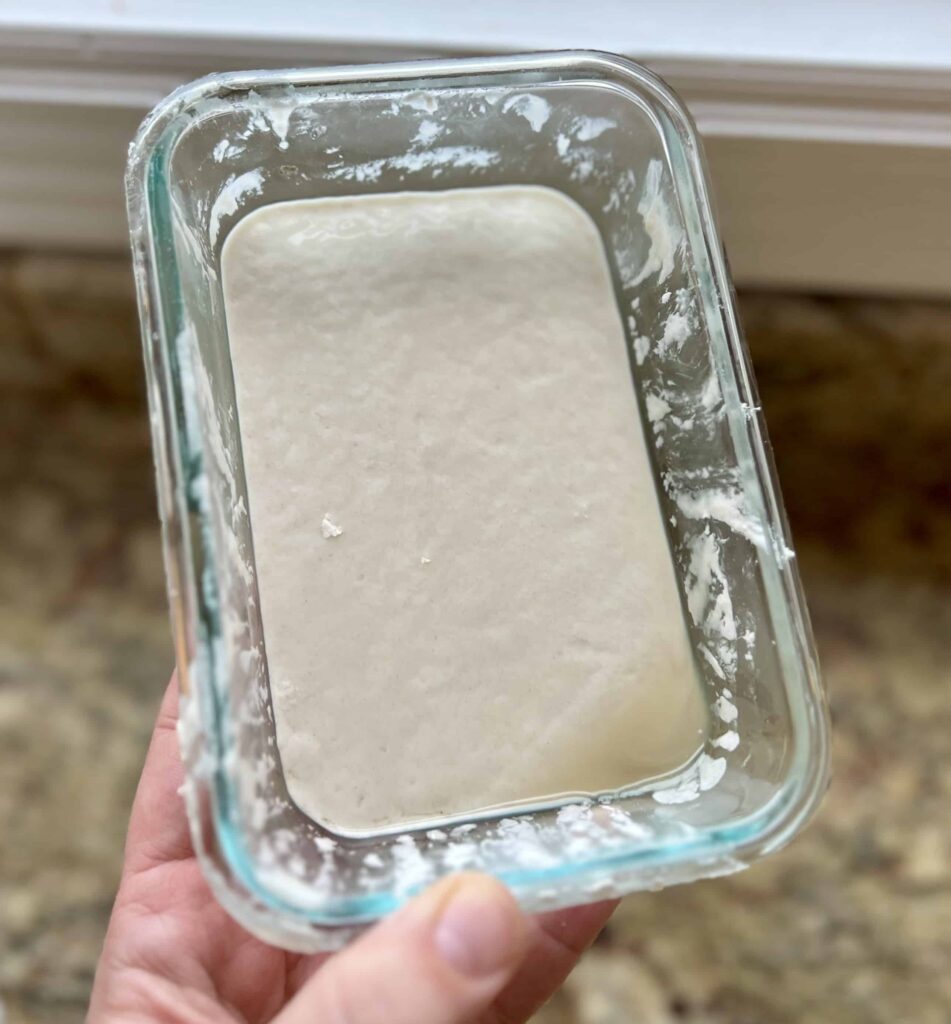
Just like active starter, discard can develop different flavor profiles depending on how long it sits. Freshly discarded starter (what I call young discard) has a milder, slightly sweet flavor and a thicker texture—perfect for most baking recipes.
As discard ages in the refrigerator, it becomes more sour, runny, and acidic—this is what I call old discard. It still works in recipes, especially savory ones, but the tangy flavor will be much stronger.
What is Hooch?
Hooch is the dark or gray liquid that forms on top of sourdough discard, especially if it’s been sitting in the fridge for a while. It’s a sign that the starter wants to be fed or used, and it’s highly acidic.
The good news? Discard with hooch on top is still usable! That layer actually helps preserve the discard underneath. I like to pour off the hooch because it has a strong smell, but if you don’t mind the extra tang, you can stir it back in before baking.
Does Sourdough Discard Have The Same Fermentation Benefits As Sourdough?
It depends!
If your recipe uses discard plus a good amount of added flour (like in muffins or sandwich bread), the discard is mainly contributing flavor and moisture. Only the portion of the recipe made up of the discard has gone through fermentation—so the fermentation benefits are limited.
But if your recipe doesn’t add any extra flour—like my sourdough granola or sourdough Dutch baby pancakes—then you’re getting the full fermentation benefit from the discard itself.
Want even more benefit? You can long-ferment your discard recipes. Just mix the batter or dough and let it rest (often overnight) before baking. That gives the added flour time to ferment, offering more of the same digestive and nutritional perks you’d get with traditional sourdough.
Note: The only thing to watch out for with long-fermenting sourdough recipes is to make sure a recipe calls for double acting baking powder if it uses baking powder as leavening agent (muffins, quickbreads). This means that the baking powder will activate first when the ingredients are mixed and second in the oven after it long-ferments.
Is There Ever a Time You Should Throw Away Sourdough Discard?
There are just a couple of times when you really shouldn’t use sourdough discard:
- When you’re making a starter from scratch.
During those early days, before your starter is predictably rising and falling, the discard isn’t ready to be used. It’s still developing, and the mix of bacteria and wild yeast hasn’t reached a stable balance yet. It might feel wasteful to toss it, but you’re in the process of building a strong, healthy starter that will last for years—and that early discard just isn’t safe to consume yet. - When it’s been sitting in the fridge for a long time and you don’t like the flavor.
The longer discard sits, the more fermented, sour, and runny it becomes. Technically, if there’s no mold (pink, orange, fuzzy spots), it’s still safe to use—but the flavor might be too strong for your liking. Personally, I prefer using younger discard in most of my bakes because it has a milder flavor and better texture.
How to Use Sourdough Discard in a Recipe
Sourdough discard works best in recipes that are specifically written for it. Some of my all-time favorites—like these crispy discard crackers, sourdough snickerdoodle cookies, and these super popular soft sourdough discard rolls—are made just for using up discard.
As you gain more experience with sourdough and baking, you’ll start to get a feel for how to add discard into different recipes. But when you’re just starting out, I recommend sticking to recipes designed for discard. Eventually, you’ll be able to turn just about anything into a sourdough discard recipe—even something like sourdough mac and cheese!
Note: Most sourdough discard recipes call for 100% hydration discard—meaning it comes from a starter that’s been fed equal weights of flour and water. If your starter is fed differently, you may need to adjust the flour or liquid in the recipe slightly.
How to Add Sourdough Discard to Any Recipe
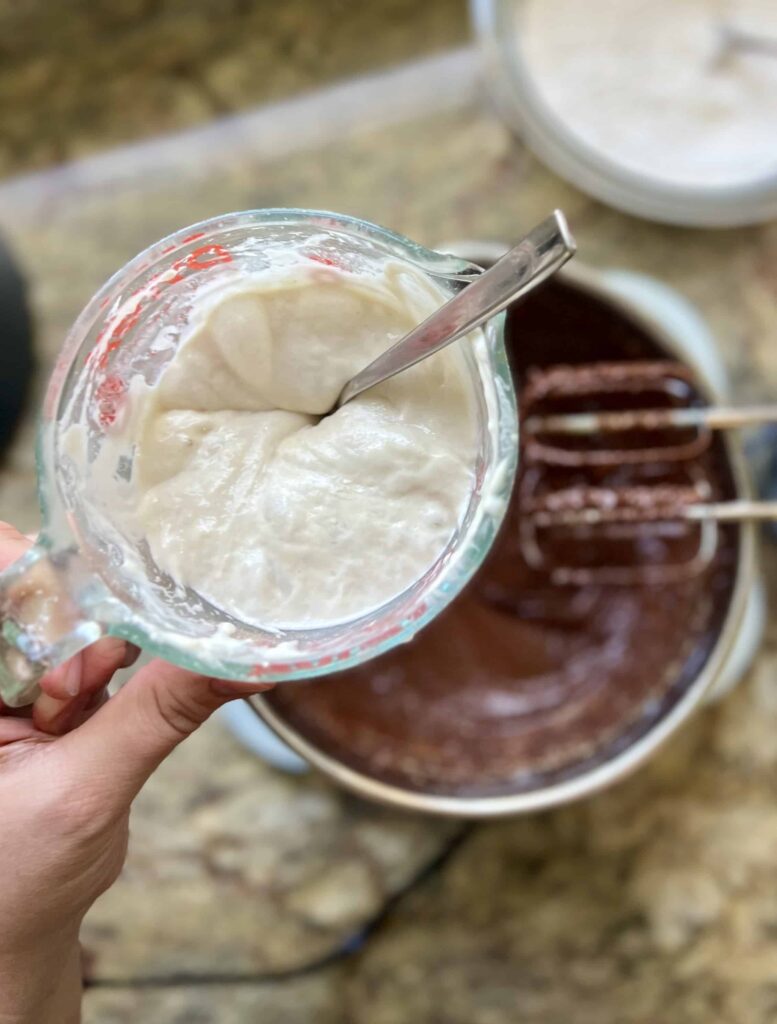
How to Add Sourdough Discard to Any Recipe
Got sourdough discard leftover from your sourdough starter? This article teaches you how to add sourdough discard to any recipe.
Common Frequently Asked Questions
Technically, yes—you can make a loaf of sourdough bread using discard (or “unfed” sourdough starter). But keep in mind: it’s less predictable. Since discard hasn’t been recently fed, it may not have the same strength or rising power as an active starter. This can result in a loaf that doesn’t rise as much or has a denser crumb. For best results, I recommend using a freshly fed and active starter when baking sourdough bread.
Yes. Take a little bit of discard from your jar. Feed it as you would a sourdough starter. Continue this process for a couple of days until the starter is rising and falling predictably again. This is your new sourdough starter.
Yes! Levain is typically built for a specific recipe, so you usually don’t have much leftover. If your levain is 100% hydration (equal parts flour and water), you can add it straight to your discard jar in the fridge.
If it’s not 100% hydration or contains added ingredients—like sugar, milk, or extra flour—you can still add it to your discard jar, but keep in mind, it may change the texture or flavor of future discard bakes and you might need to adjust the flour or liquid in your recipe to account for it.
You don’t have to. You can if you want to. I often use it cold from the fridge and pour it straight into recipes. But you can stir it down or use it room temperature.
Yes! For most recipes, I use it straight from the refrigerator. If the recipe is very temperature dependent, like this sourdough discard pound cake recipe, then I let it come to room temperature before using it.
If you don’t want to bake with it and store it in your refrigerator, these are few unique ways to use it up:
1. Give it away – Share with a friend who wants to try baking with discard or start their own starter.
2. Compost it – Discard is just flour and water—perfectly safe for the compost pile.
3. Use it as garden fertilizer – Diluted discard can be used to add microbes to your soil (in small amounts).
4. Feed it to chickens – Many chicken owners mix discard into feed—as long as there are no added ingredients like salt, sugar, or dairy.
5. Toss it (guilt-free) – Not every batch needs saving! If it’s not moldy, just toss it or compost it and move on.
Most Popular Sourdough Discard Recipes


Sourdough Beginner Guide
 What is Sourdough?
 How to Make a Sourdough Starter
 How to Feed and Maintain a Sourdough Starter
 When Is Sourdough Starter Ready to Use? Easy Signs to Look For
 What is Sourdough Discard?
 How and Why to Make Levain
 Sourdough Timeline for Beginners: How To Fit It Into Your Day
 How Temperature Affects Sourdough
 Sourdough Starter Ratios Explained
 Essential Tools for Baking with SourdoughSourdough Frequently Asked Questions
 How to Dehydrate and Rehydrate Sourdough Starter
 How to Add Sourdough Discard to Any Recipe
 How to Replace Yeast with Sourdough Starter
 Adjusting the Sour Flavor in Sourdough Bread
 Sourdough Artisan Bread Guide
 How to Bake Sourdough in A Loaf Pan
 Adding Inclusions to Sourdough Artisan Bread
Need More Help? Take a Sourdough Class with Amy Bakes Bread
Looking for in-depth Sourdough instruction?
You need my online sourdough course.
- Step by Step Instruction on Beginner and Advanced Recipes
- 2+ hours of pre-recorded video instructions
- Community forum to ask questions and help you troubleshoot
- 15+ PDF recipe downloads
- Make incredible sourdough bread today!


I’m new at sour dough bread baking and your site is very informative. I fed my starter last night, topped it with an elastic fabric cloth topper and when i checked it this morning, the top has slightly dried out. It also did not double, but the kitchen is not 78 degrees. My oven has a proof function (100 degrees), which I use for regular bread proofing. Can I use my oven to help rise my starter?? Thanks for your help!
I think 100 degrees is a little warm for a starter. I would suggest putting your starter in your oven with the oven OFF and the light turned ON if you need a space warmer than your kitchen for your starter. The dried out top isn’t a cause for concern – you can scrape it off before stirring.
Should I add water to my discard if it is super thick? I recently made cookies and they were very cakey even though I’ve made them before and they were not cakey. My discard was very thick. Thanks!
If your discard is very thick, you might need to add more liquid or compensate with a little less flour depending on the recipe.
What is the best way to keep starter when I will be going on a three week vacation? Freeze it? Keep it in the fridge and just rejuventate when I get back?
I would feed it the day before you leave, cover it and let it rise most of the way, then stick it in the refrigerator for those weeks and feed it when you get back.
I am new to “sourdough” and am learning much. I notice that your cinnamon roll recipe for using the discard is based on the starter being at a ratio of 1-1-1.
My discard is not at that ratio as I am still experimenting.
Am I still able to use mine in that recipe?
Thank you
It is based on the ratio of the flour and water being 1:1 – not necessarily the starter (that changes). It just means that the starter is maintained with 100% hydration or equal weights of flour and water. If your starter is not maintained that way, you’ll need to increase or decrease the flour or liquid in the recipe depending on how you maintain yours.
Thanks for all your advice! I am new to trying to bake sour dough bread. When, in the process do I save starter for my next bake?
This post will teach you how to feed and maintain a sourdough starter: https://amybakesbread.com/beginner-guide-sourdough-starter/
Can I use almond flour to make sourdough starter? Or can I use almond flour with the discard?
No, just almond flour wouldn’t be a great substitute for a wheat flour. I would check out Mary’s guide on creating a gluten free starter and some of her resources: https://acoupleofceliacs.com/creating-a-gluten-free-sourdough-starter/
Very helpful thanks. Doing my first starter!
Do l need to let the sourdough discard warm up before using it in a recipe (ie discard crackers) ?
No. You can use it straight from the fridge for almost all discard recipes.