Adjusting the Sour Flavor in Sourdough Bread

Updated Jan 02, 2024
Affiliate disclosure: This post may contain affiliate links. Please see our disclosure policy.
One thing I wish I knew before I started making sourdough bread is that sourdough does not have to taste sour. Many people seek out sourdough for that distinctive “tang”, but as a baker you are responsible for adjusting the sour flavor in sourdough bread! You can change the flavor of your bread by adjusting the techniques you use. I love making some loaves with a tangy flavor and others with a more mild, mellow and even non-existent sour flavor. Sourdough really is a method of leavening…it’s not just “sour bread.”

Save this for later!
The Science Behind the Sour Flavor in Sourdough Bread
Sourdough is a process where fermented flour and water are used to raise bread. This is done by using a ripe and active starter to mix into bread dough. The dough goes through a fermentation cycle until it is ready to rise and bake. A sourdough starter is made up of wild yeast and bacteria working together.
Wild Yeast: The wild yeast cause the dough to rise by creating carbon dioxide gas bubbles that get trapped in the gluten strands of the dough
Bacteria: Lactobacillus bacteria predigest and ferment the starches in the flour, which provide the sour flavor in sourdough
- Lactic Acid: provides more mild yogurt-like flavors in sourdough
- Acetic Acid: provides sharp, tangy flavors in sourdough
The bacteria is where the sour flavor is coming from! Lactic acid bacteria are most active in the mid 80-90 degrees F, but that speeds up the wild yeast which prefer a more mild temperature of mid 70s F. Learning to balance the fermentation with the rise of the dough is one of the nuances of sourdough and how you balance it will come out in the flavor of your loaf.

With that little bit of science in mind, check out the tips below to get the flavor of the bread you are looking for, whether that’s mild or sour.

How to Make Sourdough More Sour
- Keep the dough temperature higher: Lactobacillus perform well at the higher temperatures of 85-95ºF. Keeping the dough in that range will produce more lactic acid bacteria quickly which can result in a more mildy sour loaf. One trick to get a loaf a little more sour is to let it rise in that warm temperature range and then cold ferment the dough before baking. That capitalizes on the lactic acid AND the acetic acid – which performs well in lower temperatures. Be careful to watch for a quicker rise if you choose to use a higher temperature.
- Use more whole grains: Whole grains (especially whole wheat) have more microorganisms in the flour and their unique makeup encourages the production of more bacteria than a white flour—resulting in a more sour loaf.
- Longer Bulk Fermentation: I typically don’t let my bulk fermentation go over 4-5 hours (at 78ºF), but for a more sour loaf you can decrease the temperature and push that fermentation another hour or two to get more flavor from the acetic acid bacteria which prefers a 76-78ºF temperature.
- Cold Ferment: Cold fermenting your dough for longer periods of time can produce even more flavor as the dough ferments in the refrigerator at low temperatures. The longer your dough stays in the refrigerator, the more sour it has a chance to become. Be careful with over-proofing the dough if you choose this method.
- Use Starter Later: Use starter after its peak. It will have risen, doubled in size and is starting to fall back down. The yeast are still active at this stage but more bacteria are present, and the starter smells much more acidic. A larger amount of bacteria will develop resulting in more sour flavored bread.
- Smaller Amount of Levain: Use a smaller amount of levain or starter in your recipe. This will decrease the overall ph and give a more sour flavor to your bake.
How to Make Sourdough Less Sour
I love the sour flavor from some sourdough bread but my kids don’t always share that love. If you’re looking for a mildly or non-flavored sourdough, try some of these ideas:
- Keep the dough temperature lower: Lactic acid bacteria are most active in the higher temperatures of the mid 80s-90sºF. Keeping the dough in the 78-80º F range will still ferment and produce bacteria but will encourage more mild flavored lactic acid bacteria.
- Use fewer or no whole grains: Whole grains (especially whole wheat) have more microorganisms in the flour and their unique makeup encourages the production of more bacteria than a white flour—resulting in a more sour loaf. White flour or bread flour doesn’t have as many microorganisms and result in a more mild flavored loaf.
- Shorter Bulk Fermentation: I typically don’t let my bulk fermentation go over 4 hours (at 78ºF). The longer your dough bulk ferments, the more sour it has the potential to become.
- Use Starter Earlier: Use starter right at its peak. It will have at least doubled in size. use it right before it starts to fall. This favors lactic acid bacteria resulting in more mild flavored bread.
- Larger Amount of Levain: Use a larger amount of levain in your recipe. My sourdough sandwich bread takes this approach, using more levain to get a mild flavored loaf of bread.
- Use a Stiffer Starter: I have found that using a stiff starter or levain in recipes like my sourdough cinnamon rolls helps to provide a more mellow sourdough flavor.
Get started with Sourdough:
Free Sourdough Guides
how to Make a sourdough starter
Caring for a sourdough starter
Sourdough Frequently Asked Questions
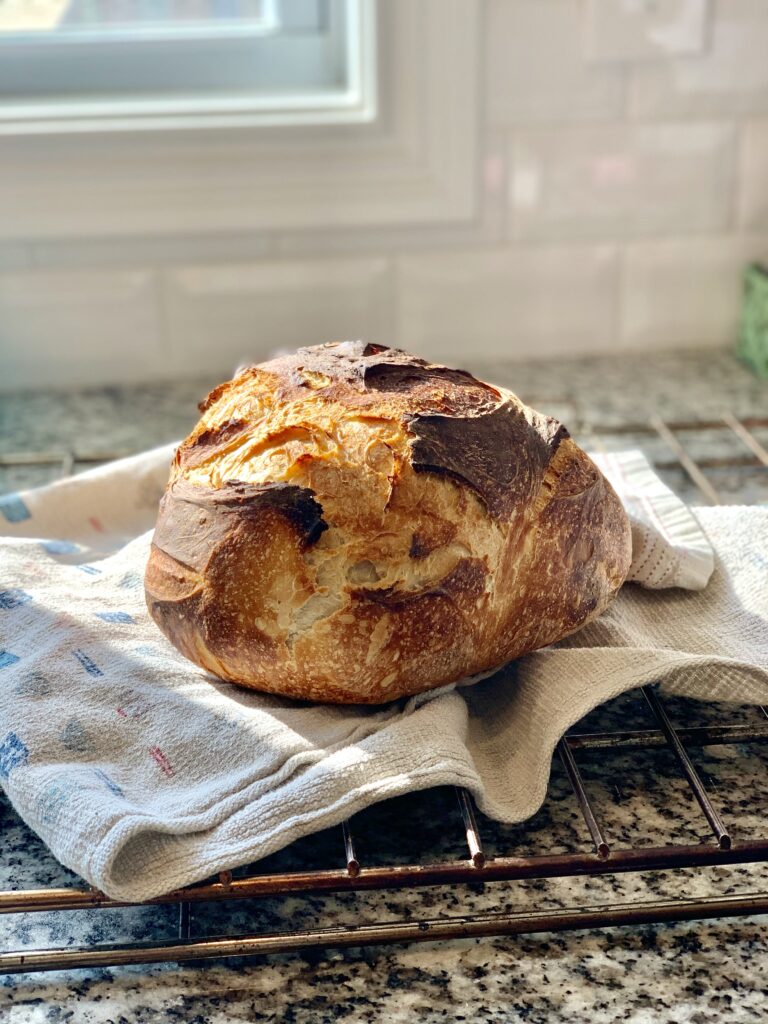
Beginner Sourdough Recipe
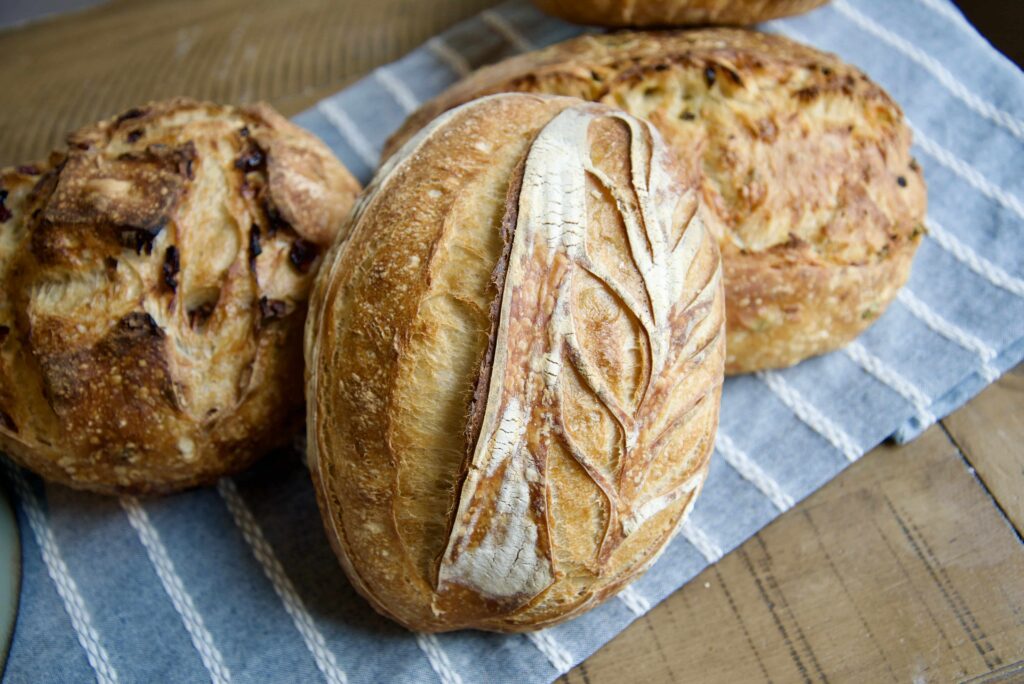
Advanced sourdough recipe
Sourdough Beginner Guide
 What is Sourdough?
 How to Make a Sourdough Starter
 How to Feed and Maintain a Sourdough Starter
 How and Why to Make Levain
 What is Sourdough Discard?
 How Temperature Affects Sourdough
 Sourdough Starter Ratios
 Essential Tools for Baking with SourdoughSourdough Frequently Asked Questions
 How to Dehydrate and Rehydrate Sourdough Starter
 How to Add Sourdough Discard to Any Recipe
 How to Replace Yeast with Sourdough Starter
 Adjusting the Sour Flavor in Sourdough Bread
 Sourdough Artisan Bread Guide
 How to Bake Sourdough in A Loaf Pan
 Adding Inclusions to Sourdough Artisan Bread
Need More Help? Take a Sourdough Class with Amy Bakes Bread
Looking for in-depth Sourdough instruction?
You need my online sourdough course.
- Step by Step Instruction on Beginner and Advanced Recipes
- 2+ hours of pre-recorded video instructions
- Community forum to ask questions and help you troubleshoot
- 15+ PDF recipe downloads
- Make incredible sourdough bread today!


When you talk about BF at 78° is that air temp or dough temp?
That refers to the dough temperature.
Fabulous sight. Very informative
Glad it’s helpful!
I have a lot of discard that I don’t want to waste and would like to use in some discard recipes. The discard is several weeks old. Is there a way to make the discard less “sourdough” tasting within the recipes?
Thanks for all your work in these recipes! I made my first successful loaf and cinnamon rolls from your recipes! i had not been successful before! 🙂
I’m so glad you’ve been successful! The only want to make it less “sour” tasting is to discard any “hooch” or liquid on top and feed it again with flour and water. Then use it once it’s risen and bubbly and just before it starts to fall. Or you can find some recipe that play on that sour flavor. Cheddar biscuits and crackers do really well with an older discard.
How many grams of levain do i want to do per loaf for that extra sour flavor?
I currently do 100grams of levain per loaf – 50 grams water, 50 grams flour, 10 grams starter gives me that 100 grams of levain per loaf.
I would probably try reducing the levain to 50 grams total and give it a longer time to ferment.
as the temperature drops towards 68F, it does in fact encourage acetic acid bacteria over lactic acid bacteria (which thrive mid 80s), resulting in a more sour dough.
Thanks for sharing your insight. I appreciate it.
Hi Amy
When the sourdough starter or levain reaches its peak in a longer time, it has more sour flavor or it doesn’t have any effect?
Thanks.
What if I don’t like the sour flavor but I want the nutritional benefits? Will discouraging the bacteria in favor of the yeast decrease the pre-digestion of gluten, and/or deactivation of phytic acid?
You will still get the health benefits from the bacteria even if it’s not sour. The bacteria is actively working with together with the wild yeast during the fermentation. Will you get more benefit the more sour it is? I can’t say for sure. Some people say yes, others no. I don’t think of sourdough as a flavor but as a leavening process. In that process the bacteria and the wild yeast work together to leaven the bread. You can make that process work for you and ultimately impact the flavor based on fermentation time.