Bulk Fermentation in Sourdough Artisan Bread

Updated Apr 25, 2024
Affiliate disclosure: This post may contain affiliate links. Please see our disclosure policy.
Bulk fermentation is a crucial step in the process of making sourdough artisan bread. This period of rest and fermentation is essential for achieving the distinctive flavor and texture associated with sourdough bread. Proper management of bulk fermentation in sourdough artisan bread is key to producing high-quality, delicious sourdough loaves.
Save this for later!
What is Fermentation?
Fermentation refers to the time the wild yeast and bacteria are fermenting the dough: by consuming the microorganisms in the flour and creating gasses that raise dough. Fermentation, which typically lasts many hours, allows the yeast and bacteria in the sourdough starter to metabolize the flour and water mixture, developing the bread’s flavor, texture, and structure. The dough undergoes significant changes, including increased volume, air pockets, and a more elastic consistency. This is a long process for sourdough because the entire loaf of bread needs to go through the fermentation process in order for the dough to rise. As soon as the sourdough starter or levain is mixed with fresh flour and water, the fermentation cycle begins.

What is Bulk Fermentation?
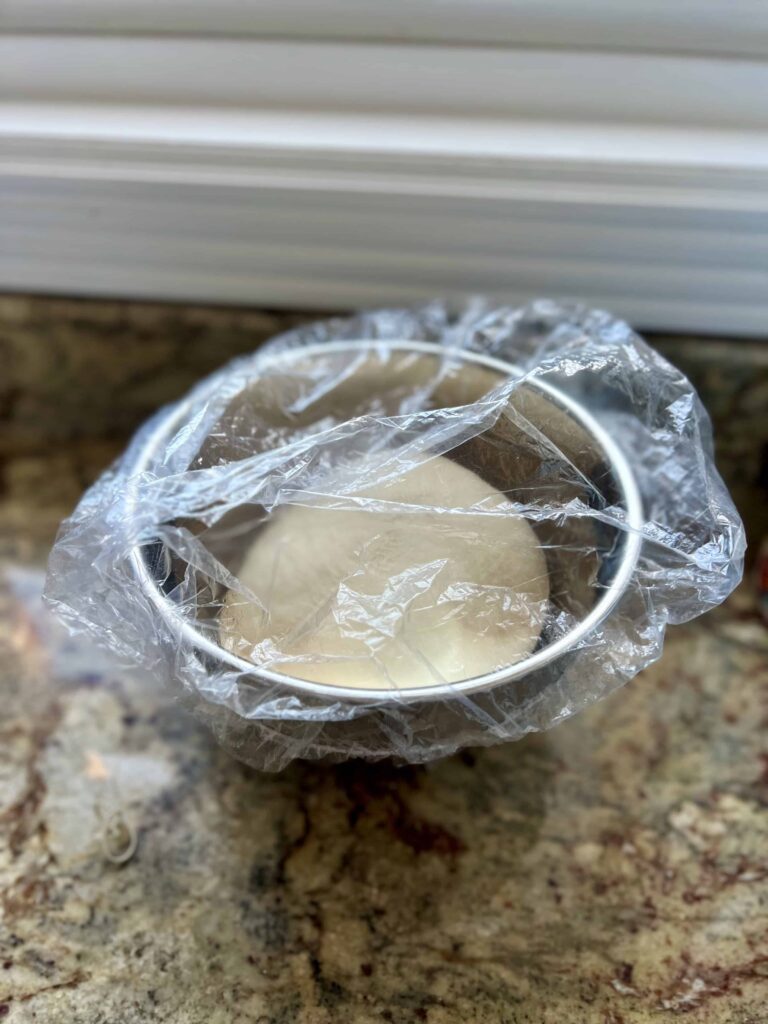
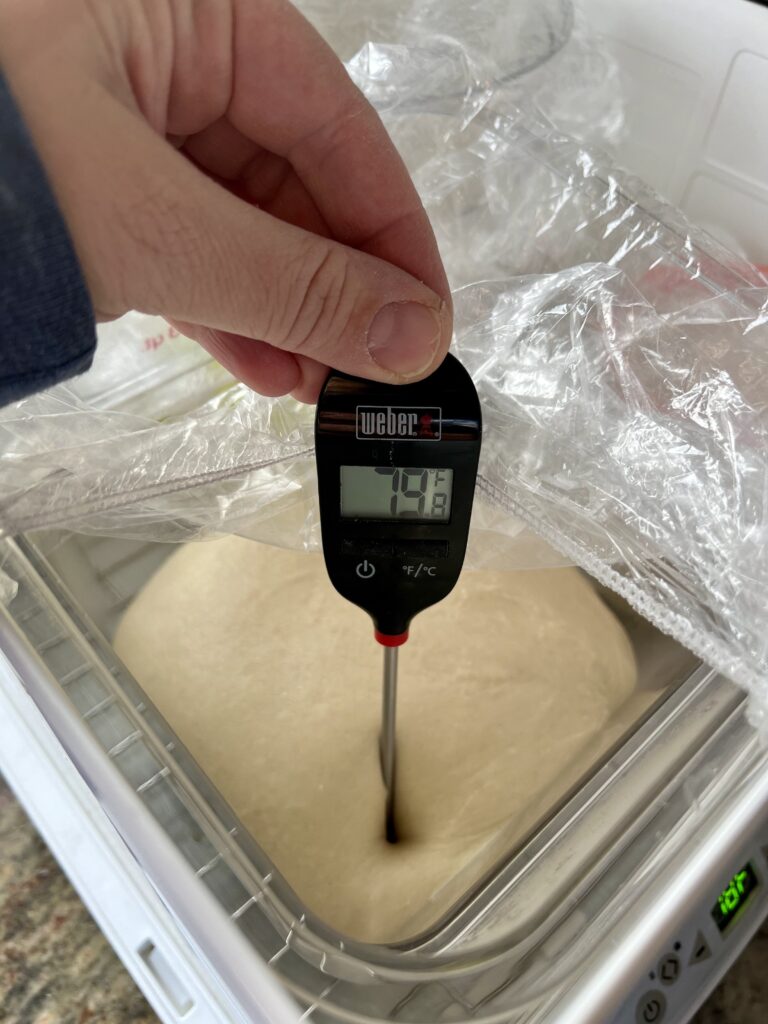
Bulk fermentation refers to the time that the dough is just mixed up until it is shaped. It is when the “bulk” of the dough is together as one mass of dough and ferments together. For most sourdough artisan bread recipes, a bulk fermentation takes around 4-5 hours if the temperature of the dough is 78-80 degrees F. I use a bread proofer to help keep the dough temperature consistent.
Characteristics of Bulk Fermentation
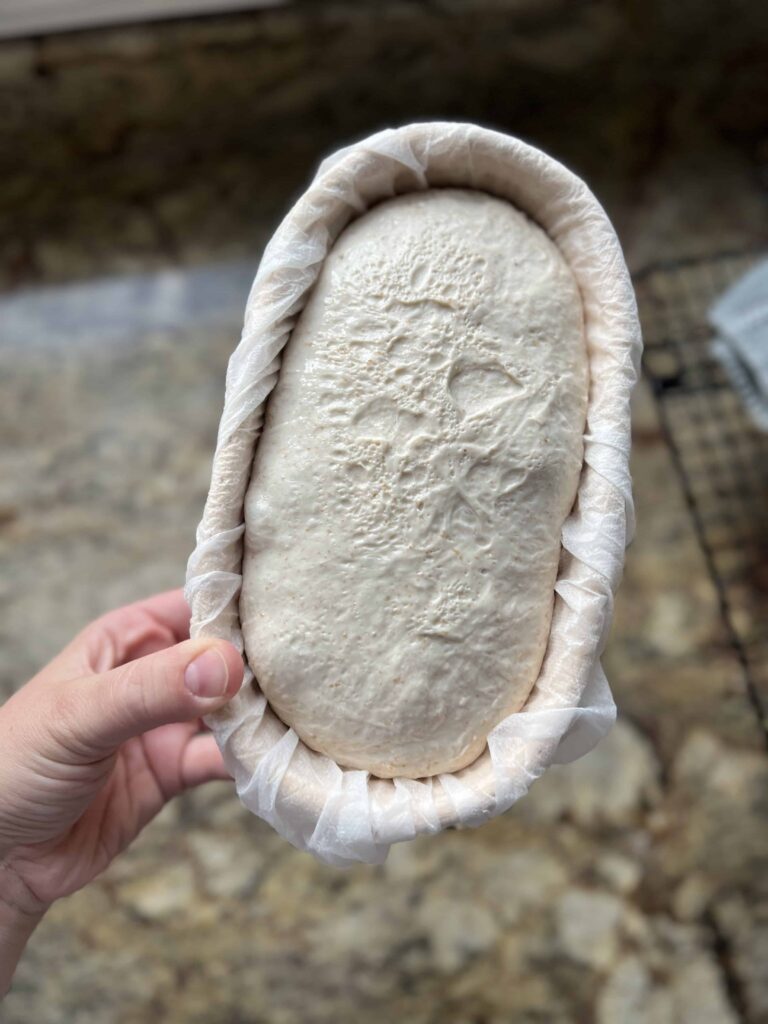
After the dough has undergone a room temperature (78-80 degrees F) bulk fermentation, you have a decision to make: You can either shape the dough immediately and let it rise again OR shape the dough and place it in the refrigerator for a cold fermentation.
What is Cold Fermentation?
I almost ALWAYS choose a cold fermentation. A cold fermentation is the process of retarding the dough in the refrigerator overnight or for 10-48 hours until you are ready to bake it. The cold refrigeration significantly slows down the fermentation of the dough, allowing you to choose when you want to bake it.
Benefits of Cold Fermentation
- Dough develops more flavor (not necessarily sour but more complex flavor)
- Dough is easier to score. Cold dough is much easier to score than room temperature dough, leading to a better oven spring.
- Dough is less likely to over-prove. You can bake the sourdough anytime from 10-48 hours later–I’ve even pushed it up to 3 days and it’s turned out well.
- Cold Fermentation allows you to plan your bake–In a world where sourdough takes a lot of time, being able to pop the shaped loaf in the refrigerator and then choose when you want to bake it is a game changer. No waiting around all day for your bread to rise; choose when you want to bake it – within about a 3 day window.
Can I cold ferment dough that is not shaped?
Yes. After the initial bulk fermentation, you can stick the entire container of dough into the refrigerator for a cold bulk fermentation. Let it sit for 10-48 hours before shaping it. You do need to be more careful when you shape the dough to not deflate it. I prefer shaping room temperature dough, so I always shape my sourdough artisan bread before the cold fermentation. Then I only have to clean up once too!
Can you use cold fermentation on any bread dough?
Yes. You can refrigerate any bread dough to give the yeast a little “pause.” For bread made with sourdough that is NOT artisan bread, I often use a cold bulk fermentation before shaping the dough. Non-artisan bread is not baked in a dutch oven and doesn’t need the steam to encourage a rise. It does need to be shaped and then rise again until light and puffy before baking (I see you sourdough cinnamon rolls). Artisan bread, however can be baked straight from the refrigerator to the dutch oven! Talk about easy when you use a cold fermentation to your advantage.
Can I do the whole bulk fermentation process in the refrigerator?
No. The wild yeast and bacteria are very, very slow when put in a refrigerator and brought to that cold temperature. Bulk fermentation at 78-80 degrees F is necessary for the dough development before being refrigerated. It would take many days for anything to happen to dough stuck straight in the refrigerator and the dough quality would suffer and break down.
Find My Favorite Sourdough Recipes Here:
Sourdough Artisan Bread Guide
Use this FREE Sourdough Artisan Bread Guide to help you make the best high-hydration loaf of sourdough bread. These articles will help you troubleshoot the entire process of baking a loaf of sourdough bread from start to finish in this free guide.
Sourdough Artisan Bread Guide
 Classic Sourdough Bread
 Essential Tools for Baking with Sourdough
 How to Autolyse and Fermentolyse: Sourdough Artisan Bread
 Bulk Fermentation in Sourdough Artisan Bread
 How to Knead Sourdough Artisan Bread
 Adding Inclusions to Sourdough Artisan Bread
 How to Shape Sourdough Artisan Bread
 How to Score Sourdough Artisan Bread
 How to Bake Sourdough Bread
 How to Bake Sourdough in A Loaf Pan
 Sourdough Artisan Bread Videos
 Sourdough Beginner Guide
Looking for in-depth Sourdough instruction?
You need my online sourdough course.
- Step by Step Instruction on Beginner and Advanced Recipes
- 2+ hours of pre-recorded video instructions
- Community forum to ask questions and help you troubleshoot
- 15+ PDF recipe downloads
- Make incredible sourdough bread today!


Ive been having fun making your recipes. I am wondering how to add inclusions after the dough has been in the refrigerator for a day. Can I roll it out and add a cinnamon, brown sugar and butter paste before shaping the loaf or is it too late?
If the dough has already been shaped (like an overnight cold ferment prior to baking), I wouldn’t recommend adding inclusions and re-shaping. If it hasn’t been shaped yet, then I would recommend laminating the dough. You can see pictures of what that looks like in this recipe for Strawberry Sourdough Bread. Hope that helps!
Amy, that should have said if I wanted to cold ferment overnight, do I let it rest after I mix and put in the fridge or do I sf and add butter before I put in the fridge?
Any, I’m trying your sourdough croissant bread recipe. I’m fairly new at all of this, this will be my second attempt at bread. If I wanted to code for rent this overnight, do I go ahead and do my stretch and folds and add the butter before putting it in the refrigerator overnight or do I put it in the refrigerator, take it out in the morning and do stretch and folds, and then add the butter.
I would make the dough as the recipe directs, putting the butter in with the stretch and folds and letting it start to rise. At that point, after the stretch and folds you can refrigerate it if necessary and then bring it back out the next day to continue letting it rise. I like to cold ferment after I shape the dough and let it rise in my refrigerator.
What is non-artisan sourdough bread?
Artisan-style is the high hydration recipes that have a lot of water in them and you use gentle strengthening folds to help build strength. Non-Artisan bread is typically more closed crumb and you would traditionally mix in a mixer or knead quite a bit by hand. Typically those are cinnamon rolls, sandwich loaves, rolls, french bread, etc…
I struggle to know when my dough is finished with bulk fermentation and ready to preshape. After 4 hours in a controlled 78 degrees My dough is nice and bubbly but very loose and flattens out in the counter. Is this over proofed?
That doesn’t necessarily mean it’s overproved. When you go to shape it, does it hold its shape? It should hold its shape for a little while when you pre-shape it and then it will flatten out until you shape it and put it in a banneton. I usually look for about 30-40% rise, doming top and a few bubbles on the surface.
If it doesn’t hold its shape, give it a few more strengthening folds or add in some slap and folds at the beginning.
Excellent information. Thanks for sharing! ❤️🙏🏻🍞