How to Score Sourdough Artisan Bread

Updated Apr 25, 2024
Affiliate disclosure: This post may contain affiliate links. Please see our disclosure policy.
Scoring artisan bread is a crucial step that affects the appearance and rise of your sourdough artisan loaf. This process involves making cuts on the surface of the dough just before baking. Using a bread lame or a sharp knife to score the dough creates tension that allows the bread to expand and rise properly in the oven. Learn how to score sourdough artisan bread in this article. Achieving the perfect score helps create a beautiful and delicious loaf of artisan bread.
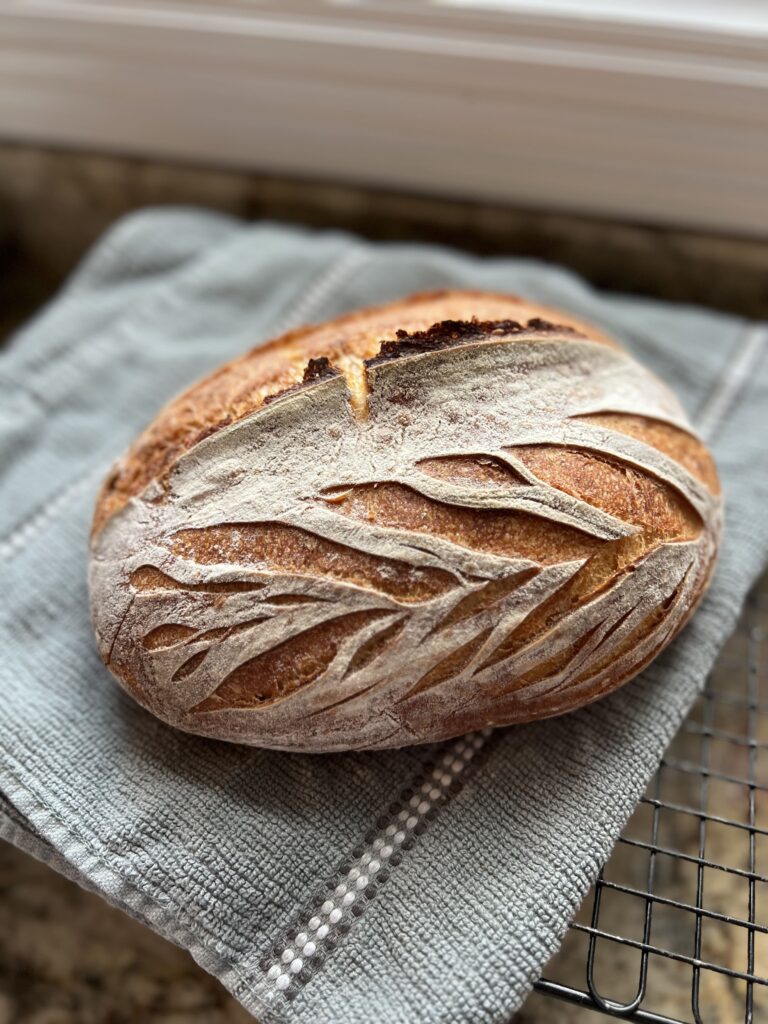
Save this for later!
What is the Purpose of Scoring Artisan Bread?
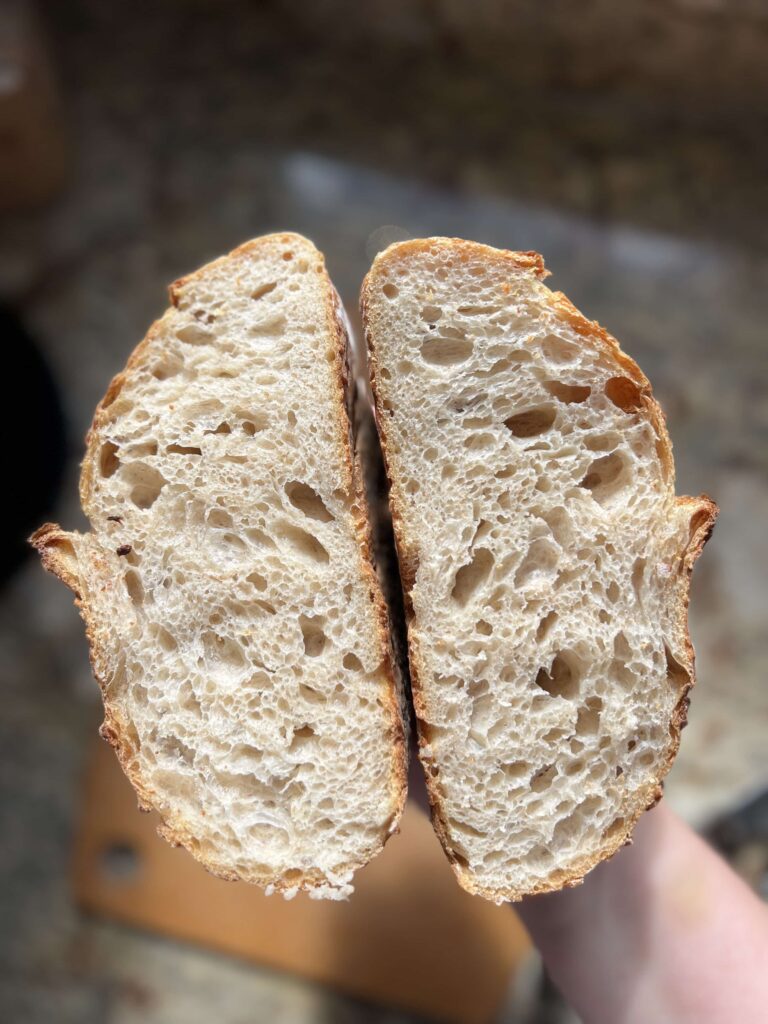
Scoring artisan bread isn’t just about aesthetics – it’s also a critical step in the baking process. When placed in a hot oven, the dough undergoes a rapid fermentation that causes gas to expand, creating pressure within the loaf. Without scoring, the dough can burst unpredictably, ruining the shape and texture of the bread. Scoring allows the baker to control where the bread will burst, ensuring a beautiful, evenly risen loaf with a crisp, crackly crust.
Preparing to Score the Sourdough
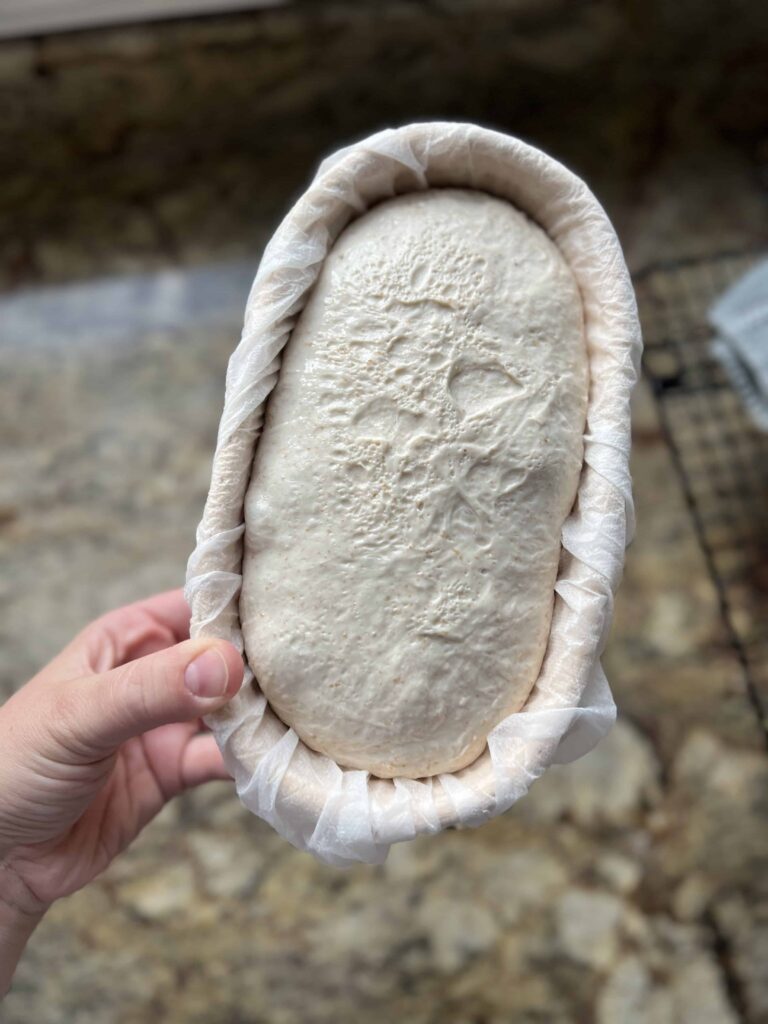
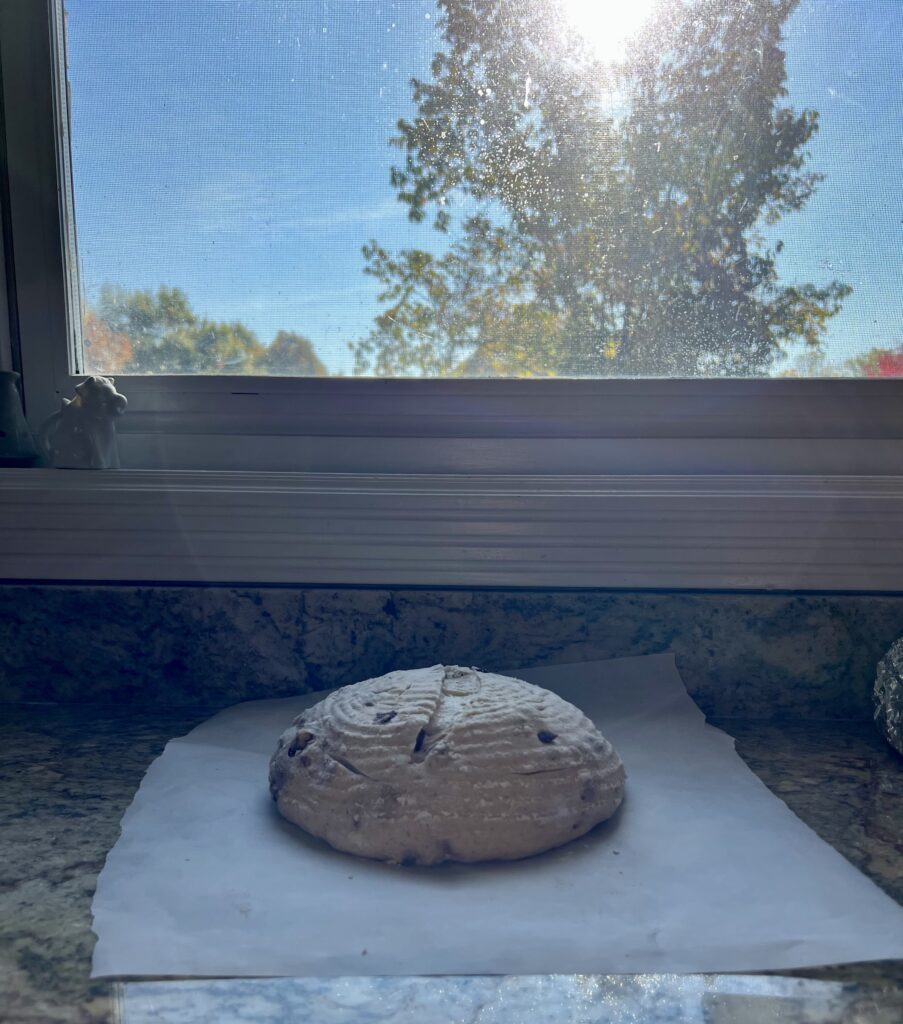
When you go to score your dough, you want to make sure a few things have already happened:
- The oven and dutch oven have pre-heated for at least 30 minutes
- Your dough is well fermented and ready to score
- Prepare a piece of parchment paper or a reusable bread mat, a little larger than the size of the dough
- Have your bread lame ready and a design in mind
What is a Bread Lame?
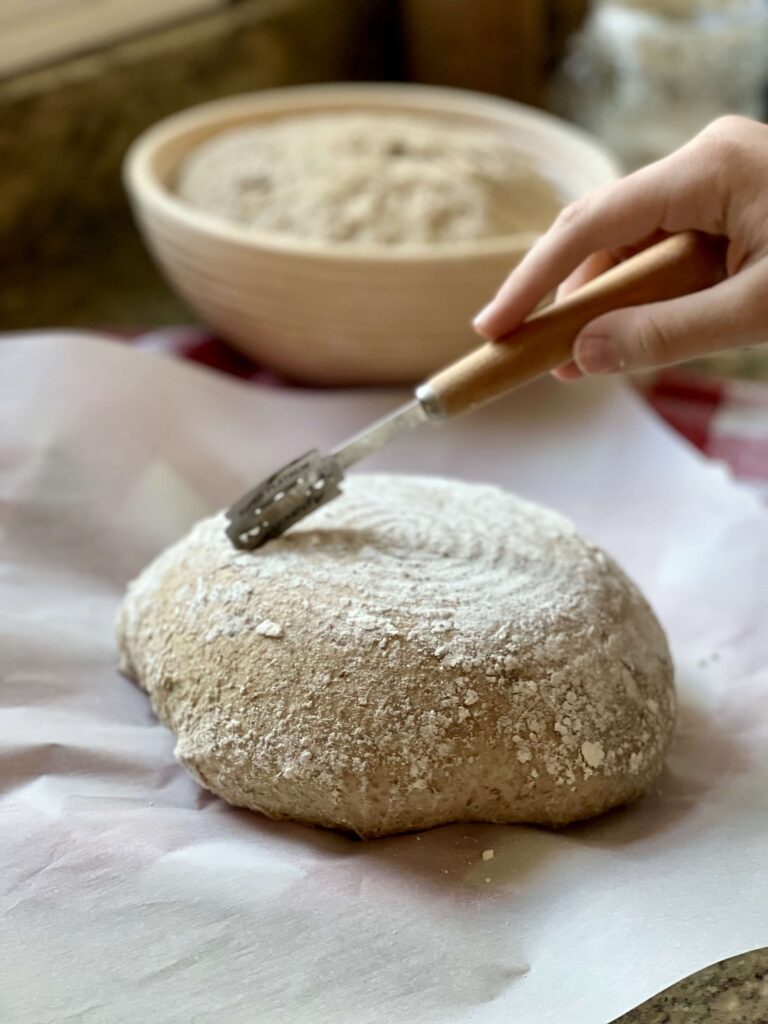
A bread lame (lahm) is a tool used to score bread. It holds a sharp razor blade and gives you a lot of control over the intricate scoring of sourdough artisan bread. I like this one you can purchase on Amazon. Using a bread lame or at the very least a sharp razor blade will improve your scoring.
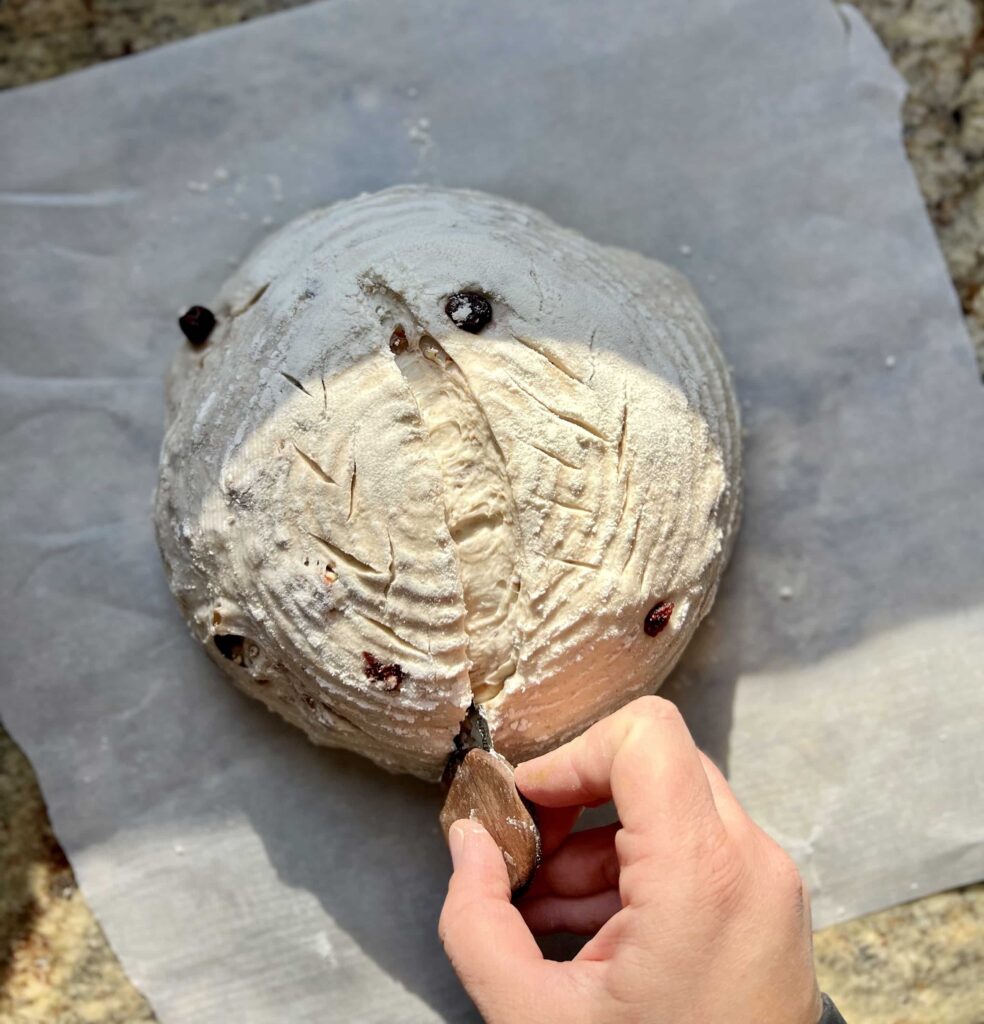
Does Dough Temperature Make a Difference in Scoring?
Cold Dough is much easier to score than room temperature dough. If you love intricate scoring, you will want to score your dough cold. I leave my dough in the refrigerator for a cold bulk fermentation (usually overnight or up to 48 hours) and then turn the dough out onto the parchment paper to score.
Room temperature dough is more difficult to score. Working quickly and confidently will improve your scoring technique. If you don’t have time for a cold bulk fermentation, you can freeze your dough for 20 minutes to help firm it up before scoring if you’d like to score more intricately.
When it comes to scoring artisan bread, even a simple slash can have a big impact on the final result. You don’t need to create elaborate designs to make a beautiful loaf. In fact, small and quick slashes can produce stunning loaves with unique patterns. It’s important to remember that scoring is not just about aesthetics, but also helps to control the way the dough rises during baking, resulting in a more even crumb structure and a better texture overall. So don’t be afraid to experiment with different scoring techniques, even with just a few simple slashes, and see how it affects your final loaf.
How to Score Your Dough
As soon as the dough hits the parchment paper, it’s time to score.
Flour the top of your dough. For intricate scoring, use a toothpick or some string to design your score before making the first cut. Score all the little slashes first and then score the deep/longer slashes at the end. This prevents the dough from spreading during the scoring process.
| Little Slashes | Hold the blade straight on the dough (90 degree angle) and make little slashes into the dough. This technique is used for intricate scoring. |
| Long Deep Slash | Hold at a shallow angle (30 degrees or so) and score deep to encourage an “ear” to form in the dough. |
Frequently Asked Questions
A sourdough “ear” is a beautiful part of the crust that rises up along the edge that you score. It will peel away a bit from the loaf of bread and the result is what bakers sometimes call an “ear.”
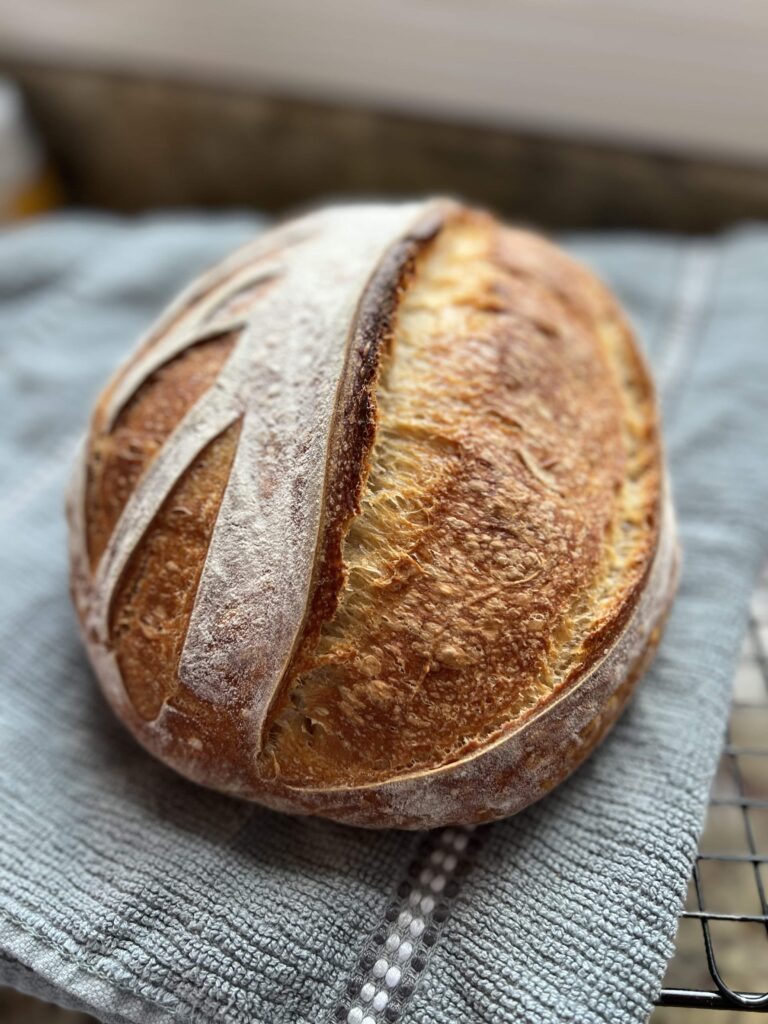
This is most likely because your bread was over-proved. Begin a cold bulk fermentation earlier or if you are baking from room temperature, bake the loaf earlier next time.
A sharp knife will not give you as precise and intricate scoring abilities. With that said, the bread will still taste delicious, so do what works for you! The important part is to have some type of scoring to encourage the oven spring in your loaf.
Sourdough Artisan Bread Guide
Use this FREE Sourdough Artisan Bread Guide to help you make the best high-hydration loaf of sourdough bread. These articles will help you troubleshoot the entire process of baking a loaf of sourdough bread from start to finish in this free guide.
Sourdough Artisan Bread Guide
 Classic Sourdough Bread
 Essential Tools for Baking with Sourdough
 How to Autolyse and Fermentolyse: Sourdough Artisan Bread
 Bulk Fermentation in Sourdough Artisan Bread
 How to Knead Sourdough Artisan Bread
 Adding Inclusions to Sourdough Artisan Bread
 How to Shape Sourdough Artisan Bread
 How to Score Sourdough Artisan Bread
 How to Bake Sourdough Bread
 How to Bake Sourdough in A Loaf Pan
 Sourdough Artisan Bread Videos
 Sourdough Beginner Guide
Looking for in-depth Sourdough instruction?
You need my online sourdough course.
- Step by Step Instruction on Beginner and Advanced Recipes
- 2+ hours of pre-recorded video instructions
- Community forum to ask questions and help you troubleshoot
- 15+ PDF recipe downloads
- Make incredible sourdough bread today!


Amy, how do you score a boule that has inclusions? Won’t they affect the cut and the way the dough bakes?
Yes, scoring with inclusions is not for decoration. It’s meant to be the place where the steam will burst the loaf and that’s about it. I like to score one straight line or a criss cross – about 1 inch deep.
Beautiful!! 😍👩🍳🍞